.png)
 English

The Future of 3D Modeling How Virtual Reality, Artificial Intelligence, and Other Innovations Will Shape the Industry by 2025
The Future of 3D Modeling How Virtual Reality, Artificial Intelligence, and Other Innovations Will Shape the Industry by 2025
As we move further into the future, it's becoming increasingly clear that 3D modeling will continue to play a significant role in many industries. From architecture to manufacturing, 3D models are being used to design, prototype, and visualize products and spaces in new and innovative ways.
One of the most exciting developments in this field is the increasing use of virtual reality (VR) and augmented reality (AR). With the rise of VR headsets like the Oculus Rift and HTC Vive, it's now possible for 3D modelers to create fully immersive environments that can be explored and experienced by users. This technology has huge potential for applications in architecture, gaming, and even education.
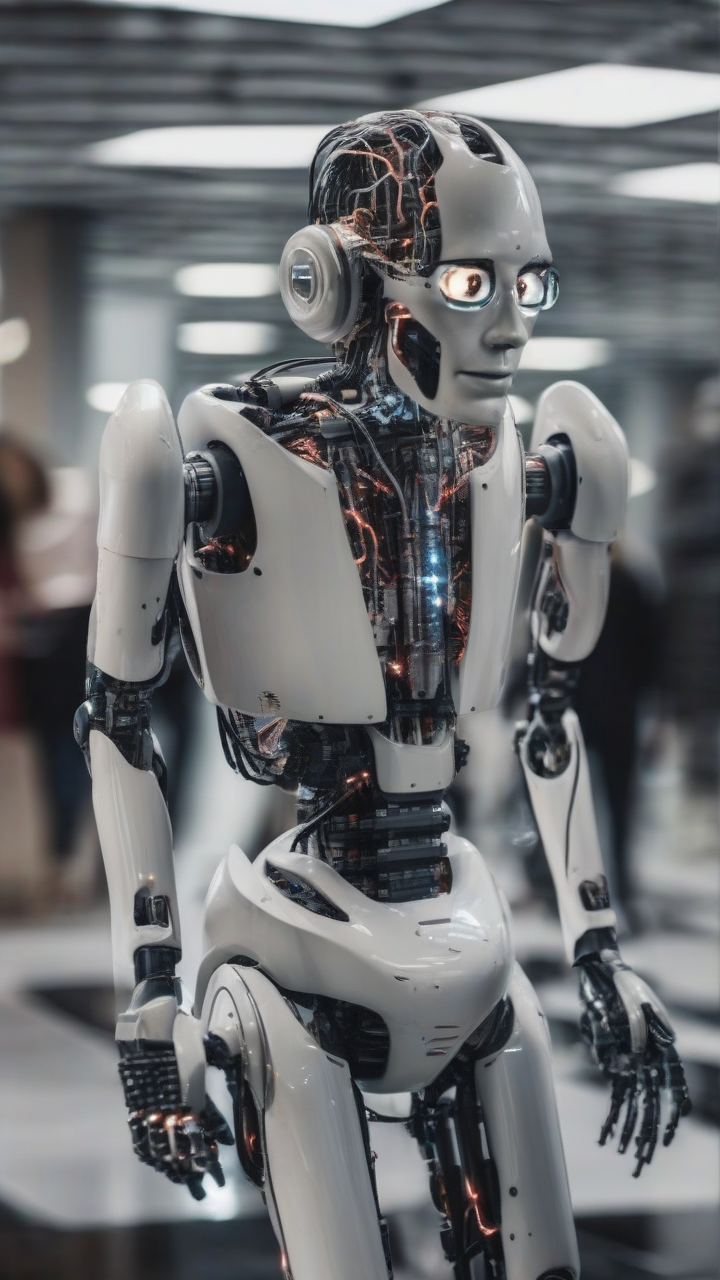
Another trend we're likely to see is the continued development of artificial intelligence (AI) tools that can assist 3D modelers with their work. AI algorithms are already being used to generate realistic textures and materials for use in models, and it's not hard to imagine a future where AI-powered design assistants become an integral part of the creative process.
As we look ahead to 2025, there is no doubt that 3D modeling will continue to evolve and change alongside other technological advancements. Those who are skilled in this field can expect to be in high demand as businesses and organizations increasingly rely on virtual environments for product development, marketing, and more.

Popular Tools
Recent Posts