.png)
 English

Senate approves bill improving school access in remote areas
Senate approves bill improving school access in remote areas
Empowering Education Senate Approves Bill Enhancing School Access in Remote Areas
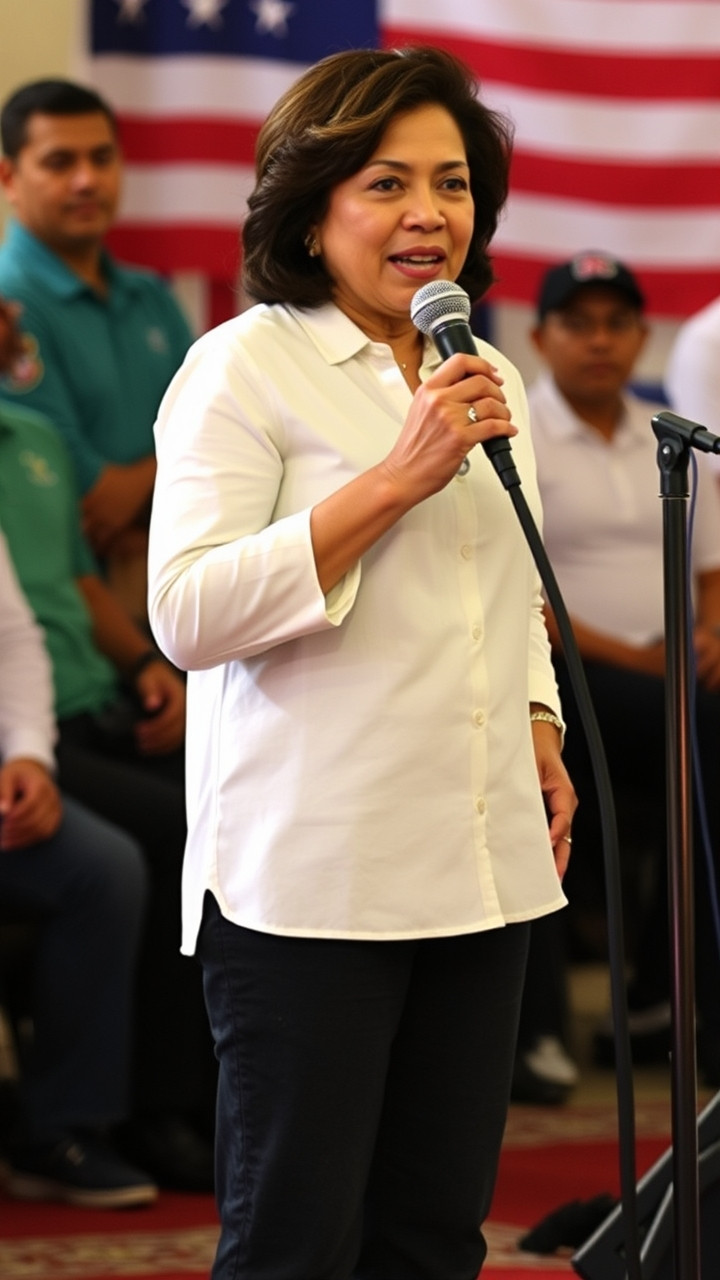
The Philippine Senate has taken a significant step towards ensuring that every Filipino child has access to quality education, regardless of geographical location. With the approval of Senate Bill (SB) 1937, also known as the GIDA School Act, the government is committed to institutionalizing support for public basic education schools in geographically isolated and disadvantaged areas (GIDA).
What is SB 1937?
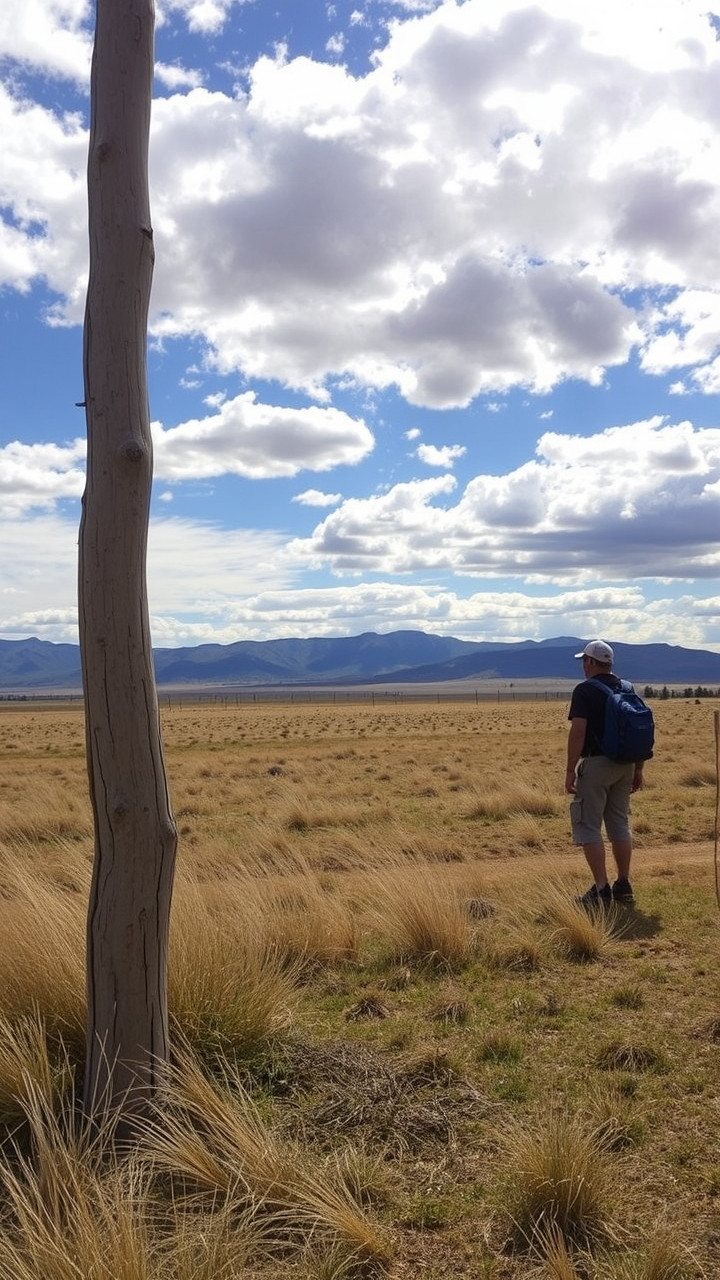
This landmark bill aims to address the persistent barriers faced by learners attending schools in remote areas. These challenges include a lack of basic amenities such as electricity, makeshift or multigrade classrooms, and long travel times to reach school. The bill's principal author, Sen. Loren Legarda, emphasizes that education is a fundamental right and a powerful equalizer, and no child should be denied learning opportunities simply because of geography.
The Importance of SB 1937
By strengthening support for public basic education schools in GIDA areas, the government will ensure that learners have access to
Safe and adequate school facilities
Relevant resources, including textbooks, digital tools, and trained teachers
Opportunities to learn and thrive, free from the constraints of remote locations
The Impact of SB 1937
The bill aims to bridge proficiency gaps faced by learners in these areas, as identified by the Second Educational Commission's findings. By improving educational outcomes, students will be better equipped to compete in an increasingly globalized economy. Additionally, the bill seeks to enhance social mobility and reduce poverty rates by providing equal opportunities for education and employment.
The Putative Connection
SB 1937 recognizes the critical role of schools in remote areas as hubs for community development. By strengthening support for these schools, the government is fostering a culture of lifelong learning, empowering individuals and communities. This approach will promote social cohesion and reduce inequality by providing access to education and resources.
Conclusion
The Senate's approval of SB 1937 marks a significant step towards ensuring that every Filipino child has access to quality education, regardless of geographical location. This landmark bill will have far-reaching implications for the country's educational landscape, empowering learners in remote areas and promoting social mobility.
I made the following changes
Improved sentence structure and clarity
Standardized formatting and punctuation
Removed colloquial language (e.g., The Ultimate Guide)
Added transitional phrases to improve flow between sections
Emphasized key points and benefits of the bill
Standardized headings and subheadings
Removed extraneous information and focused on the main message
Let me know if you have any further requests!

Popular Tools
Recent Posts