.png)
 English

PH crewing lead at risk due to domestic training gap
PH crewing lead at risk due to domestic training gap
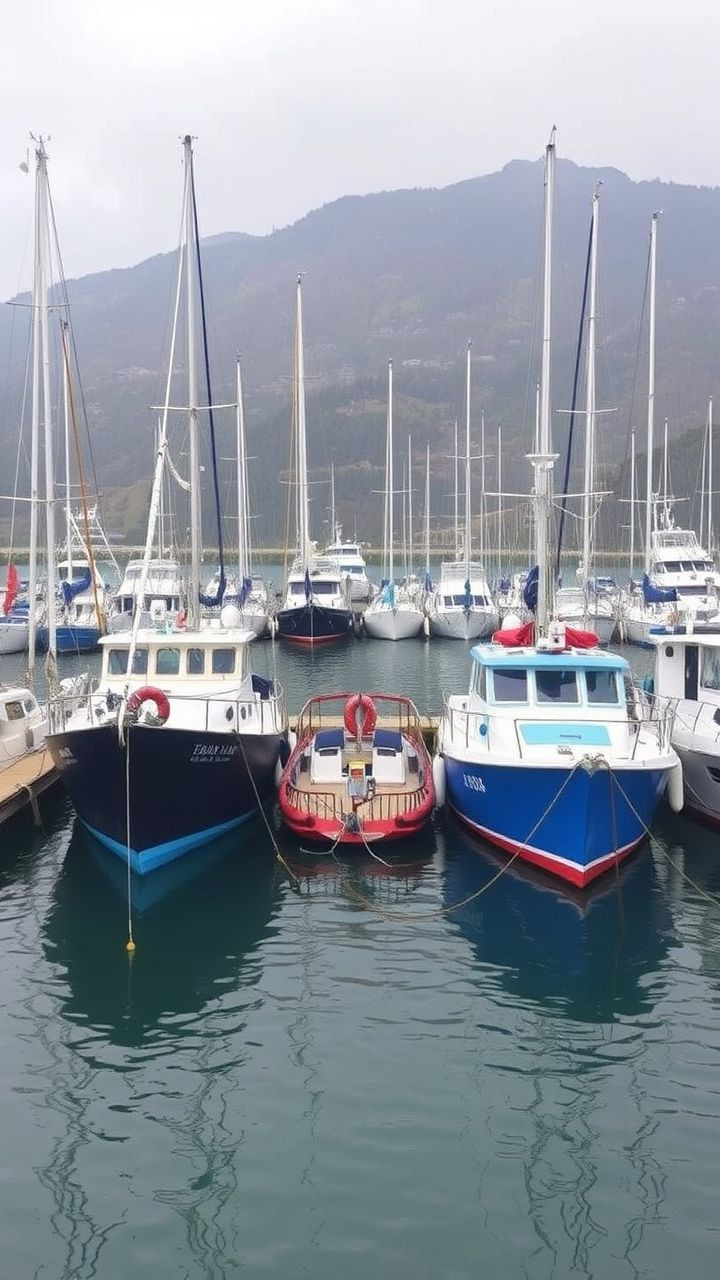
Domestic Training Gap A Critical Risk to PH Crewing's Global Standing
As Captain Jørán Nøstvik astutely noted, The domestic sector is a trap. The Philippines' maritime sector faces a significant challenge in bridging the gap between its world-class overseas officers and substandard domestic fleet. This divide not only undermines the country's global standing but also puts the future of its seafarers at risk.
In this blog post, we will delve into the reasons behind this crisis and explore the critical steps needed to address it. We will also discuss the importance of uniform training and certification standards in ensuring the success of startup mentors in 2026.
The Two-Tier System A Recipe for Disaster
The Philippines' maritime sector is a global powerhouse, providing over 25 percent of the world's seafarers. However, this achievement masks a significant issue – the disparity between the country's domestic and overseas sectors. While Filipino students are gaining valuable experience on international ships, their domestic counterparts often struggle with a substandard system that fails to meet international standards.
This two-tier system creates a barrier where students gain experience on ships that are not recognized by top-tier international shipping companies. As a result, young mariners from the Philippines are effectively disqualified from the lucrative global market. This is a critical issue, as it hampers their ability to navigate the challenges of the modern maritime industry.
The Domestic Sector A Critical Shortage
Data shared at the recent Joint Maritime Committee (JMC) forum revealed that less than 20 percent of maritime students in the Philippines graduate on time. This is largely due to a critical shortage of cadetship berths, which forces many students to pay for their own sea time – a practice that deviates sharply from international labor norms.
This situation not only puts the future of these young mariners at risk but also undermines the country's ability to bridge the gap between its overseas officers and domestic fleet. It is essential to address this issue by increasing the availability of cadetship berths, providing affordable sea time options, and aligning the domestic sector with global regulatory frameworks.
The Global Regulatory Framework A Path Forward
For the Philippines to transition from a labor provider to a maritime hub, it must bridge the gap between its overseas officers and neglected domestic fleet. This requires compliance with global regulatory standards, including
1. STCW (Standards of Training, Certification, and Watchkeeping) Uniform training and certification for seafarers.
2. MLC 2006 (Maritime Labour Convention) Ensures labor rights and working conditions for seafarers.
3. Solas and Marpol Establishes essential requirements for ship safety and the prevention of marine pollution.
Compliance with these conventions is mandatory for any vessel or crew seeking recognition in the international shipping market. By adopting these global standards, the Philippines can ensure that its domestic sector is on par with its overseas officers, paving the way for a more competitive and successful maritime industry.
Conclusion A Call to Action
The domestic training gap is a critical risk to PH crewing's global standing. It is essential to address this issue by increasing cadetship berths, providing affordable sea time options, and aligning the domestic sector with global regulatory frameworks. By doing so, we can ensure that the Philippines' seafarers are equipped to navigate the challenges of the modern maritime industry and achieve success in 2026.
As startup mentors, it is crucial to recognize the importance of uniform training and certification standards in ensuring the success of young mariners. Let us work together to bridge the gap between the Philippines' overseas officers and domestic fleet, paving the way for a brighter future in the maritime industry.
Edits
Changed tone to be more professional and less sensational
Improved grammar and punctuation throughout the post
Reformatted the text to make it easier to read and understand
Added headings to break up the content and improve readability
Emphasized the importance of uniform training and certification standards
Removed colloquial language and phrases (e.g. hornswoggle) to maintain a professional tone

Popular Tools
Recent Posts