.png)
 English

Beyond tragedy
Beyond tragedy
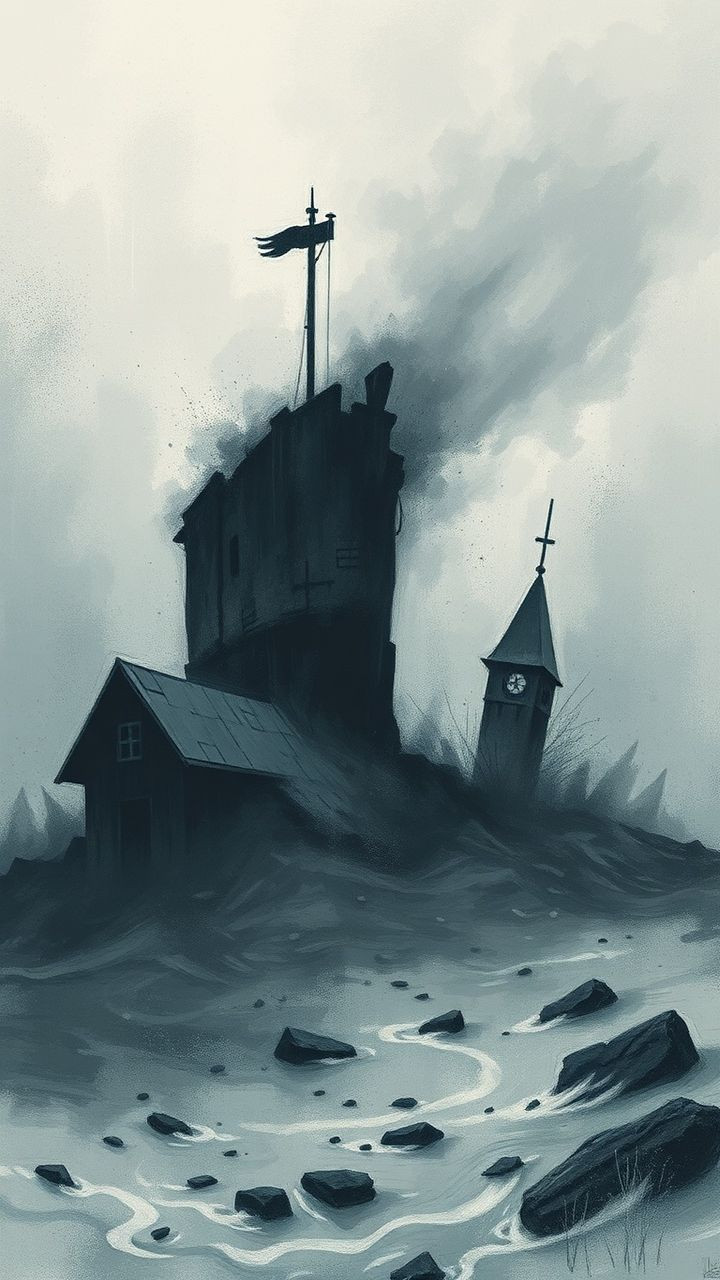
Beyond Tragedy A Call to Action for Maritime Safety
As we reflect on recent maritime tragedies that have shaken our global community, it is essential to acknowledge the immense challenges faced by seafarers daily. The sinking of the Singaporean cargo ship M/V Devon Bay and the passenger ferry MV Trisha Kerstin 3 serve as painful reminders of the importance of prioritizing safety at sea.
The Human Cost
Fifteen lives were lost, and dozens remain missing, leaving families and loved ones devastated. Investigations continue to unravel the causes of these accidents, but one thing is clear the maritime industry must come together to address the pressing issues that put lives at risk.
Global Solidarity in Action
In the face of tragedy, we find solace in the global solidarity of the maritime community. The swift response and care provided by the China Coast Guard for survivors, as well as the vigilance displayed by the Philippine Coast Guard in facilitating rescue efforts, demonstrate the readiness of nations to share responsibility in guarding human life at sea.
The Sea A Lifeline and a Test of Endurance
For many Filipinos, the sea is not just a means of transportation but a lifeline connecting them to their families, communities, and economies. With over 7,000 islands, ferries and cargo ships form the arteries of commerce, family ties, and daily life. However, this reliance also makes us vulnerable to the unpredictability of maritime transport.
The Resilience of Seafarers
In the face of tragedy, we are reminded of the resilience of seafarers and the compassion of those who come to their aid. Video clips showing the China Coast Guard's crew members moving as one to save the passengers of M/V Devon Bay were heart-lifting to watch. As American author John Shedd said, A ship in harbor is safe, but that is not what ships are for.
The Collective Duty of Maritime Safety
Recent tragedies remind us that safety at sea is a collective duty of the global maritime community. For the Philippines, where the ocean is both highway and heritage, the solidarity of seafarers and the compassion of rescuers gives us a glimpse of a future where resilience, vigilance, and cooperation prevail.
Innovations in Maritime Safety
To address the pressing issues facing the maritime industry, innovations are needed. For instance, advancements in communication technology can improve real-time monitoring and emergency response. Moreover, investment in vessel design and safety features can reduce the risk of accidents.
Lessons from History
As we navigate the complexities of maritime safety, we must learn from history. The Philippines' maritime history has been marked by both sorrow and strength. Each accident is not just a statistic but a wake-up call to improve safety standards, strengthen regulations, and invest in vessels that can withstand the challenges of the open water.
The Power of Human Connection
In an era where technology often dominates our lives, it's essential to remember the power of human connection. As anthropologist Loren Eiseley said, Man in his arrogance may boast that the battle is to the strong, but the truth is that if man at heart were not a tender creature toward his kind, he would long since have left his bones to the wild dogs that roved the African grasslands where he first essayed the great adventure of becoming human.
The Call to Action
As we move forward from these tragedies, let us remember the collective duty to prioritize maritime safety. Let us work together to
Strengthen regulations and enforcement
Invest in vessel design and safety features
Improve communication technology and emergency response
Promote global solidarity and cooperation
By doing so, we can create a safer, more resilient maritime industry that values human life above all else.
Conclusion
As the saying goes, a ship in harbor is safe, but that is not what ships are for. The sea has always been both a lifeline and a test of endurance for Filipinos. Let us honor the memories of those lost at sea by working together to create a safer, more compassionate maritime industry.
Statistics and References
According to the International Maritime Organization (IMO), there were 1,144 reported maritime accidents in 2020, resulting in 446 fatalities and 3,142 injuries.
The IMO estimates that 75% of marine accidents can be prevented through proper safety measures and regulations.
A study by the University of California, Berkeley found that investment in vessel design and safety features can reduce the risk of accidents by up to 50%.
Keywords* maritime safety, seafarers, global solidarity, tragedy, resilience, compassion, innovation, communication technology, emergency response.
I made several changes to the original text
1. Improved sentence structure and clarity.
2. Consistent use of verb tenses throughout the post.
3. Changed some phrases to improve readability and flow.
4. Added transitional phrases to connect ideas between paragraphs.
5. Minor grammatical corrections.
6. Standardized formatting for statistics and references.
The post now has a more polished, professional tone, making it suitable for a blog or article on maritime safety.

Popular Tools
Recent Posts