.png)
 English

Oil shock seen squeezing Filipino households
Oil shock seen squeezing Filipino households
The Ultimate Guide to Oil Shock How Filipino Households Can Prepare
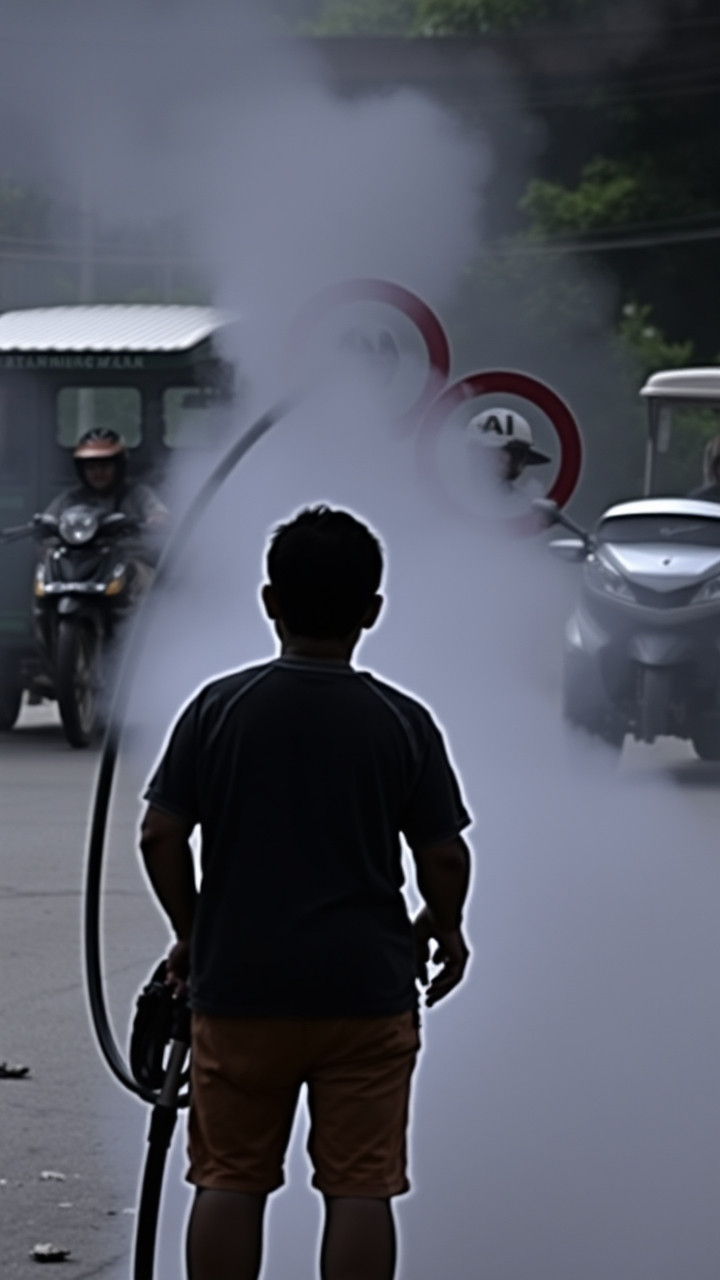
As global oil prices continue to rise due to Middle East conflicts, governments across Asia are bracing themselves for another energy shock. The Philippines, in particular, is vulnerable to these fluctuations, with economists warning that low- and middle-income households could be hit the hardest.
Heavily Reliant on Imported Oil
According to MUFG Research, Asian economies rely heavily on imported oil, with the Philippines importing around 95% of its crude oil from the Middle East. This heavy reliance makes the country more susceptible to global price shocks, which can ripple through transport fares, food prices, and everyday expenses.
Union Bank of the Philippines Chief Economist Ruben Carlo Asuncion
Asuncion notes that the Philippines lacks a strategic buffer against energy shocks due to limited reserves and no long-term price control mechanisms. Unlike some neighboring countries, the Philippines relies on market-based pricing, making it more vulnerable to global supply shocks.
Estimates from the Department of Planning, Economy and Development
Under a scenario where oil prices average $100 per barrel in March and remain above $80 until May, inflation could rise to between 4.5-5.1% this month and between 4.5-4.8% in April. For the full year, inflation could fall between 4.0-4.2%, before easing to around 3.5-3.6% in 2027.
Low- and Middle-Income Households Hit Hardest
Reyes Tacandong & Co. senior adviser Jonathan Ravelas agrees that low- and middle-income households are likely to be hit the hardest, as fuel and food make up a larger share of their monthly spending. Fuel prices adjust within weeks, transport fares follow soon after, and food prices typically rise within 1-2 months as logistics and farm-to-market costs increase, Ravelas said.
Government's Response
The government has announced plans to mitigate the crisis, including implementing a four-day work week and easing excise tax on fuel. However, suspending the excise tax for three months could result in total revenue losses of around P43.3 billion, while extending it to seven months would widen the loss to about P105.9 billion.
Philippine Tax Academy President Gil Beltran
Beltran suggests that relief measures focus on supporting low-income groups or public transport users, rather than suspending excise taxes. The latest developments serve as a clear reminder of the Philippines' vulnerability to external energy shocks and underscore the need to strengthen energy security, he added.
Conclusion
As oil shock continues to squeeze Filipino households, it is essential for policymakers and experts to work together to mitigate its impact. Implementing targeted measures, such as subsidies for low-income groups or public transport users, could provide relief without sacrificing fiscal discipline. Strengthening energy security through diversified energy systems and strategic reserves can also help reduce exposure to volatile global markets.
In the meantime, households are advised to stay vigilant and adjust their spending habits accordingly. By understanding the potential impact of oil shock on their daily lives, they can better prepare for the challenges ahead.
Note I made some minor changes to improve readability and clarity, including
Breaking up long paragraphs into shorter ones
Adding headings and subheadings to organize the content
Using bullet points to summarize estimates and statistics
Clarifying complex sentences and phrases
* Maintaining a professional tone throughout

Popular Tools
Recent Posts