.png)
 English

United States Strikes on Yemeni Oil Port Death Toll Rises as US Campaign Against Houthis Continues
United States Strikes on Yemeni Oil Port Death Toll Rises as US Campaign Against Houthis Continues
United States Strikes on Yemeni Oil Port Death Toll Rises as US Campaign Against Houthis Continues
The United States air strikes targeting an oil port held by Yemen's Houthi rebels have resulted in a significant increase in death toll, with 38 people killed and 102 others wounded, according to the Iran-backed group.
The strikes on the Ras Isa fuel facility, confirmed by the US military's Central Command (Centcom), represent one of the highest reported death tolls so far in the campaign launched under President Donald Trump. The attacks have been ongoing since March 15 and involve hundreds of strikes.
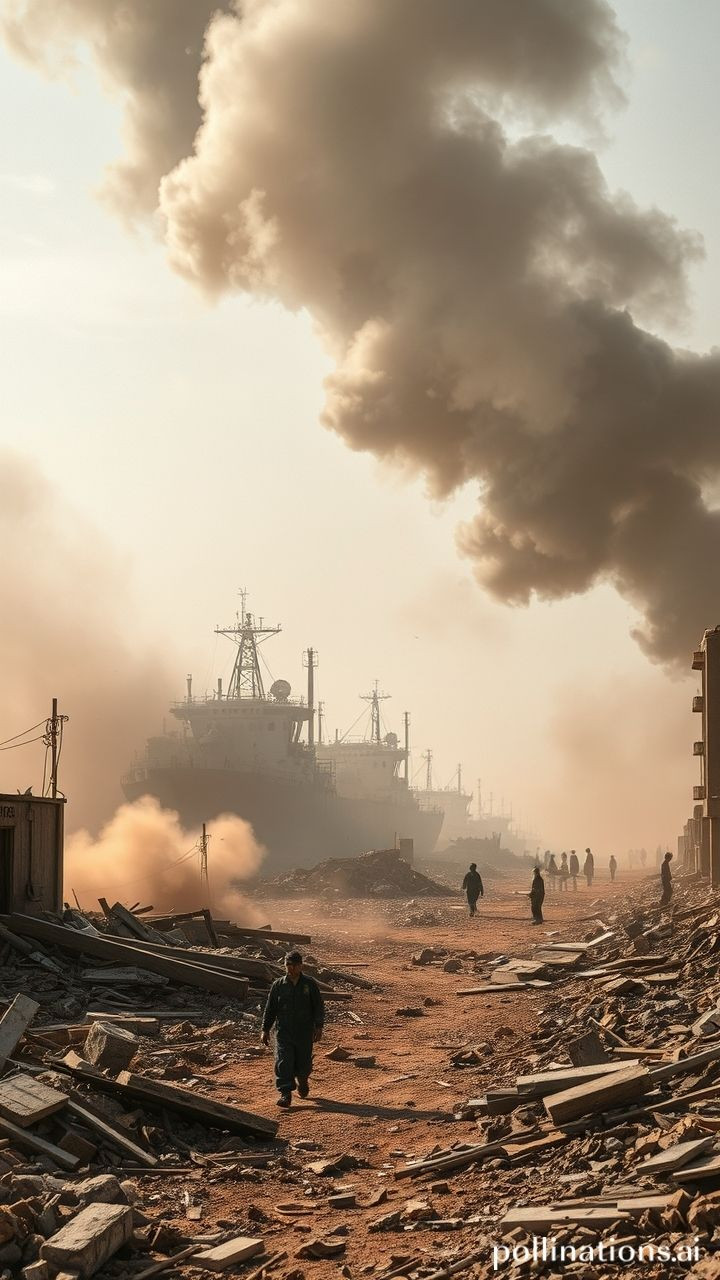
Graphic footage aired by al-Masirah satellite news channel showed the aftermath of the attack, with corpses strewn across the site. Paramedic and civilian workers at the port were among those killed in the attack, which sparked a massive explosion and fires.
In a statement, Centcom said that US forces took action to eliminate the source of fuel for the Iran-backed Houthi terrorists and deprive them of illegal revenue that has funded Houthi efforts to terrorize the entire region for over 10 years. The command did not acknowledge any civilian casualties when asked by the Associated Press (AP) about the reports.
The Ras Isa port, a collection of three oil tanks and refining equipment, is located in Yemen's Hodeida governorate along the Red Sea. National Aeronautics and Space Administration satellites showed an intense blaze early on Friday morning at the site just off Kamaran Island, targeted by intense US air strikes over the last few days.
The facility is also the terminus of an oil pipeline stretching to Yemen's energy-rich Marib governorate, which remains held by allies of the nation's exiled government. The Houthis expelled that government from the capital Sanaa in 2015, but oil exports have been halted by the decadelong war and the rebels have used Ras Isa to bring in oil.
The Houthis denounced the US attack, saying it completely unjustified aggression represents a flagrant violation of Yemen's sovereignty and independence, and a direct targeting of the entire Yemeni people. They added that this vital civilian facility has served the Yemeni people for decades.
The latest attacks come after the US State Department issued a warning on April 9 about oil shipments to Yemen. The department said that the United States will not tolerate any country or commercial entity providing support to foreign terrorist organizations, including offloading ships and provisioning oil at Houthi-controlled ports.
The attacks also follow Israeli air strikes on the Houthis that previously hit port and oil infrastructure used by the rebels after their attacks on Israel.
An Ongoing Campaign
An Associated Press review has found that the new US operation against the Houthis under Trump appears more extensive than that of his predecessor Joe Biden. Washington is moving from solely targeting launch sites to firing at ranking personnel and dropping bombs on cities.
The new campaign of air strikes started after the rebels threatened to begin targeting Israeli ships again over Israel blocking aid entering the Gaza Strip. The rebels have loosely defined what constitutes an Israeli ship, meaning many vessels could be targeted.
The Houthis have launched attacks targeting more than 100 merchant vessels with missiles and drones, sinking two of them and killing four sailors from November 2023 to January 2025. That has greatly reduced the flow of trade through the Red Sea corridor, which typically sees $1 trillion of goods move through it. The Houthis also launched attacks targeting American warships without success.
As we continue to follow the developments in this region, it's essential to understand the complexities and nuances of the situation on the ground. As digital nomads and professionals, it's crucial that we stay informed about global events and their impact on our work and personal lives. By collaborating with each other and sharing knowledge, we can better navigate the challenges and opportunities presented by this evolving landscape.
Stay tuned for more updates from the region and insights into how they may affect your work as a digital nomad or professional in 2025.

Popular Tools
Recent Posts