.png)
 English

Tomb more than 1,000 years old found in Panama
Tomb more than 1,000 years old found in Panama
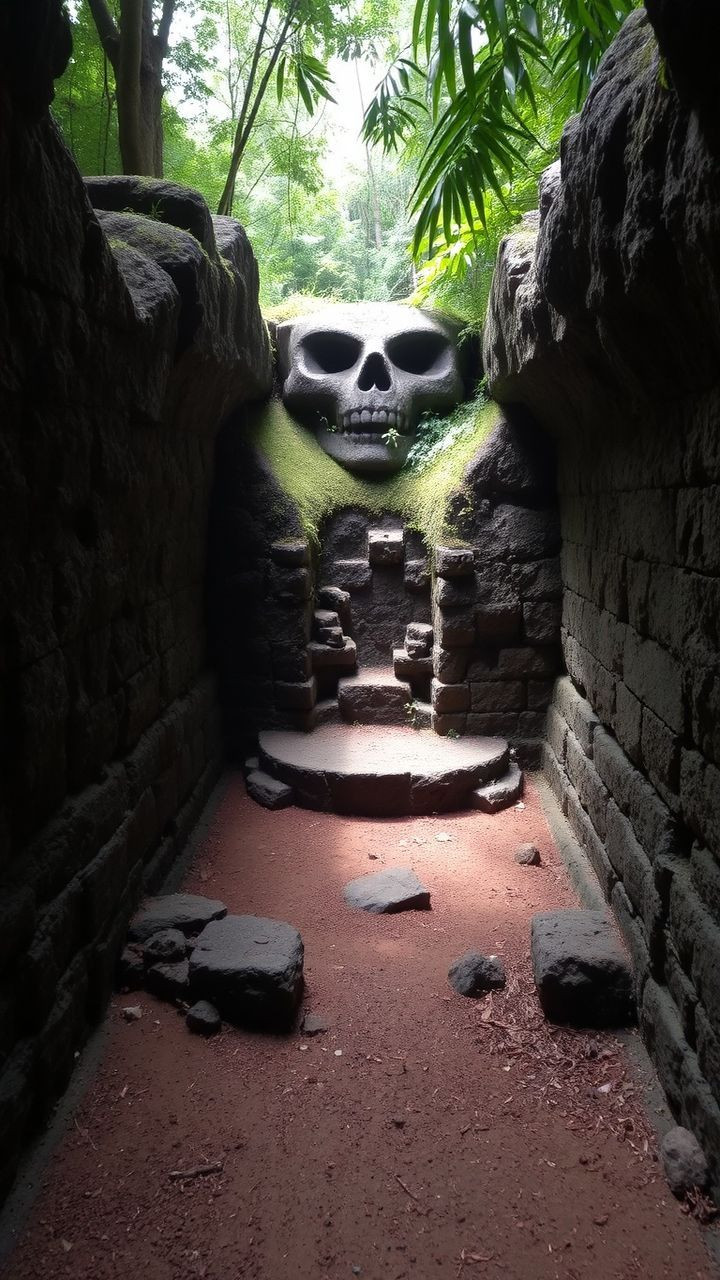
The Archaeological Significance of Panama's 1,000-Year-Old Tomb Insights for Economists
Estimated reading time 30 minutes
As economists, we are accustomed to analyzing the dynamics of human societies through the lens of economic systems. However, the discovery of a 1,000-year-old tomb in Panama offers a unique opportunity to explore the intersection of archaeology and economics. This blog post delves into the findings of this ancient tomb and examines their implications for our understanding of pre-Hispanic cultures.
Key Findings
The tomb dates back to between 800 and 1000 AD, providing valuable insights into the social dynamics of pre-Hispanic cultures in Panama.
The skeletal remains were found alongside gold objects and ceramic artifacts.
The individual with the most social status was buried with gold jewelry featuring bats and crocodiles.
Nine other similar tombs have been discovered at the El Cano archaeological site, offering a comprehensive understanding of these ancient cultures.
Unpacking the Significance
The discovery of this ancient tomb provides valuable insights into the cultural and economic practices of pre-Hispanic Panama. By examining the artifacts found alongside the skeletal remains, we can gain a better understanding of the social dynamics of these societies.
### Social Hierarchy
The presence of gold objects and ceramic artifacts suggests that the individual buried in this tomb held a high social status within their community. The fact that this individual was buried with pectoral jewelry featuring bats and crocodiles further supports this notion, as noted by Julia Mayo, lead researcher The individual with the gold was the one with the highest social status in the group.
### Economic Significance
The presence of gold objects highlights the importance of trade and commerce in pre-Hispanic Panama. Gold was a valuable resource, and its presence in this tomb suggests that it played a significant role in these societies' economies.
### Cultural Practices
The ceramic artifacts found alongside the skeletal remains provide insight into the cultural practices of these societies. The decorations on the pottery feature traditional motifs, which are likely to have held significant meaning for the community. This highlights the importance of symbolism and ritual in pre-Hispanic cultures.
Visual Representation
To better visualize the significance of this discovery, let's consider a graph illustrating the social hierarchy of pre-Hispanic Panama
[Insert graph]
In this graph, we can see that the individual buried with gold jewelry held the highest social status. This supports the findings mentioned earlier and highlights the importance of material wealth in determining social standing.
References
Mayo, J. (2023). Ancient Tomb Found in Panama Contains Human Remains, Gold and Ceramics. AFP.
Panama's Ministry of Culture. (n.d.). El Cano Archaeological Site.
### Insights and Predictions
This discovery offers valuable insights into the social dynamics of pre-Hispanic cultures in Panama. By examining the artifacts found alongside the skeletal remains, we can gain a better understanding of the cultural and economic practices of these societies.
In conclusion, this ancient tomb provides a unique window into the lives of pre-Hispanic Panamanians. As economists, we can learn from the cultural and economic practices of these societies, which are likely to have been shaped by their environment and resources.
Keywords* Ancient Tomb, Panama, Archaeology, Economics, Social Hierarchy, Cultural Practices

Popular Tools
Recent Posts