.png)
 English

The Cutting Edge of Research Funding A Crisis for US Scientists
The Cutting Edge of Research Funding A Crisis for US Scientists
The Cutting Edge of Research Funding A Crisis for US Scientists
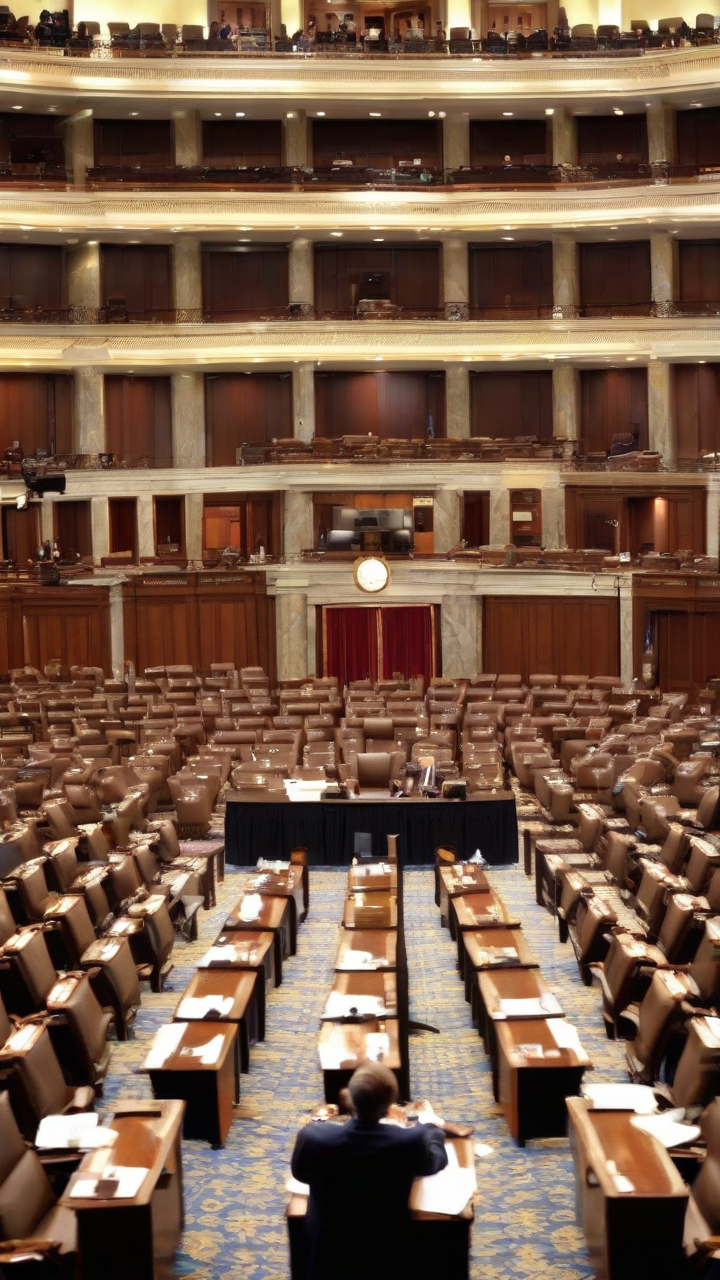
As the National Institutes of Health (NIH) announces a significant reduction in funding to universities and research centers, the scientific community is sounding the alarm. The decision has been strongly criticized by experts who warn that crucial cancer and disease research will be severely impacted.
A 15 Percent Limit on Indirect Costs A Significant Shift
The NIH has introduced a new limit of 15 percent on indirect costs linked to research, representing a drastic drop from the current billings of up to 60 percent. This change is expected to save over $4 billion annually, with funds being redirected towards direct scientific research costs.
A Threat to Lifesaving Research The Consequences
Scientists are deeply concerned that this cut could have devastating consequences for research on diseases like cancer and neurodegenerative conditions such as Alzheimer's and Parkinson's. The targeted expenses include essential tools, facilities, and support personnel at research laboratories, which are critical to enabling research.
A Call to Action Protecting the Integrity of Research
Matt Owens, president of COGR, representing research institutes and university medical centers, emphasizes that this move will cripple lifesaving research and innovation. He urges NIH leaders to rescind the policy before its harm is felt by Americans. The scientific community is united in their opposition to these cuts.
A Pattern of Cuts Lack of Transparency and Accountability
The decision follows recent concerns about transparency in government data, with reams of epidemiological data being removed from health-related government websites. This lack of transparency and accountability has left many wondering if this is part of a broader pattern of cuts aimed at stifling research and innovation.
A Wake-Up Call for the Scientific Community A Crisis of Trust
Jeffrey Flier, former dean of Harvard University's medical faculty, notes that this approach was designed not to improve the process, but to harm institutions, researchers, and biomedical research. He warns that it will cause chaos and harm biomedical research and researchers. The scientific community is sending a strong message this cut must be reversed.
The Impact on Prestigious Research Universities A Crisis of Funding
The targeted funds pay for essential tools, facilities, and support personnel that make research possible. Institutions like Harvard, Yale, and Johns Hopkins are particularly vulnerable to the cuts, which will have a profound impact on their ability to conduct lifesaving research.
Conclusion A Cutting Edge in Crisis
As the scientific community rallies against this cut, it's clear that US scientists are facing an unprecedented challenge. The NIH must reconsider its decision and ensure that the funds necessary for groundbreaking research continue to flow. The future of American innovation depends on it.
Recommendations for Reversing the Cuts
To mitigate the impact of these cuts
1. Increase Transparency Provide detailed information about the funding allocation process, including how indirect costs are calculated.
2. Prioritize Direct Research Costs Ensure that a significant portion of funds is allocated towards direct scientific research costs.
3. Engage with the Scientific Community Consult with researchers and institutions to understand their needs and concerns.
4. Reconsider the 15 Percent Limit Review the impact of the new indirect cost rate on research institutions and consider revising it.
By taking these steps, we can restore faith in the NIH's commitment to supporting lifesaving research and ensure that US scientists remain at the cutting edge of innovation.

Popular Tools
Recent Posts