.png)
 English

Tax bureau facilitating emergency fuel imports
Tax bureau facilitating emergency fuel imports
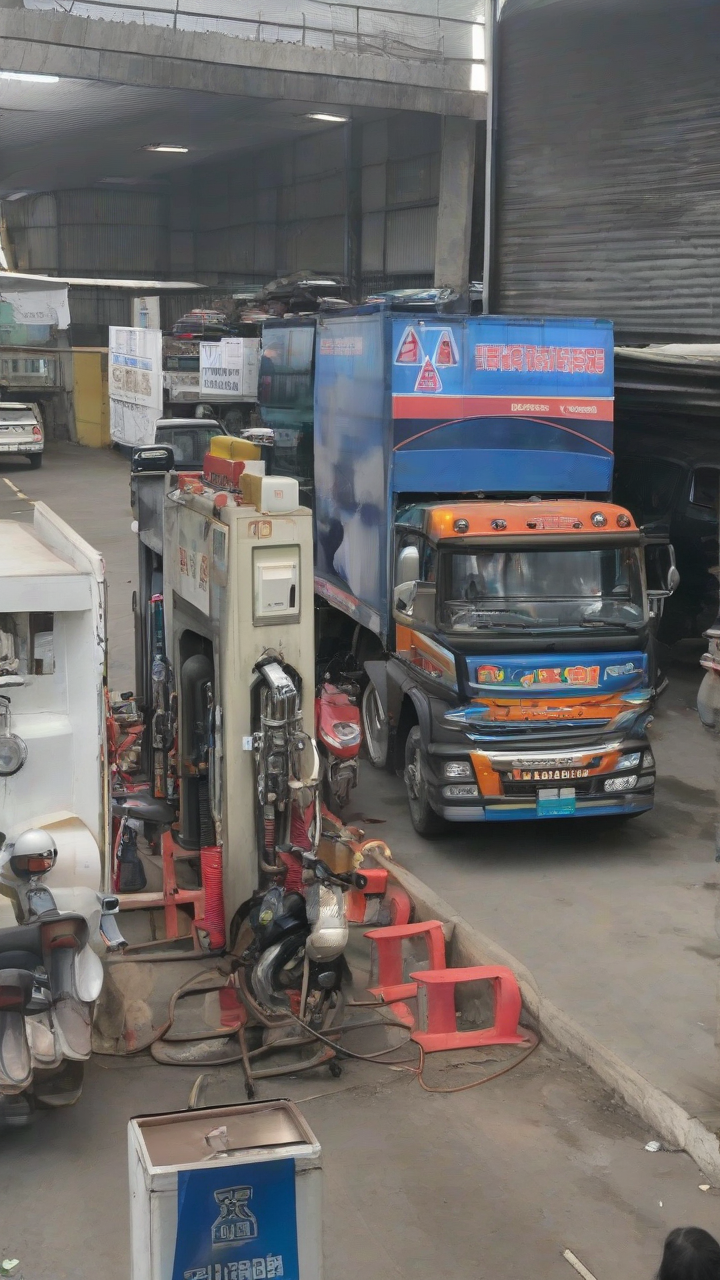
Facilitating Emergency Fuel Imports The Crucial Role of Tax Bureaus in Stabilizing Energy Supply
In today's uncertain times, it is more crucial than ever that governments and institutions collaborate to ensure a stable energy supply. A critical step in achieving this goal is facilitating emergency fuel imports, as recently demonstrated by the Bureau of Internal Revenue (BIR) and PNOC Exploration Corp. (PNOC-EC).
The Importance of Emergency Fuel Imports
Executive Order 110 declared a national energy emergency, authorizing a unified response package covering livelihoods, industry, food, and transport. In response to this declaration, PNOC-EC notified the BIR of its plan to undertake emergency petroleum imports to help stabilize domestic supply.
The Role of Tax Bureaus in Facilitating Emergency Fuel Imports
The BIR's Large Taxpayers Service (LTS) issued a special permit for PNOC-EC to bring in petroleum products. This expedited processing was made possible by the tax bureau's close collaboration with the state-run firm, ensuring that documentary and procedural requirements were met.
Key Takeaways
1. Facilitating Emergency Fuel Imports The BIR worked closely with PNOC-EC to complete requirements for current and future emergency fuel importations, supporting the whole-of-government response authorized under EO 110.
2. Streamlining Processes By expediting processing, the tax bureau demonstrated its commitment to supporting national efforts to stabilize energy supply.
3. Broader Policy Toolkit Economist Diwa Guinigundo emphasized the need for a broader policy toolkit, including possible fiscal measures such as temporary reductions in fuel excise taxes or value-added tax during periods of extreme price spikes.
The Way Forward A Comprehensive Approach
To ensure a stable energy supply, we recommend
1. Targeted Subsidies Instead of broad price controls, targeted subsidies could be implemented to support vulnerable households and micro, small, and medium enterprises affected by rising energy costs.
2. Diversifying Fuel Supply Sources Strengthening strategic stockpiling, promoting energy conservation, and optimizing the country's power generation mix can help reduce reliance on oil.
3. Accelerating Renewable Energy The growing share of renewable energy provides a medium-term buffer and should be accelerated further to support the transition towards a more sustainable energy future.
In conclusion, facilitating emergency fuel imports requires close collaboration between government agencies and institutions like PNOC-EC. By streamlining processes and implementing targeted measures, we can ensure a stable energy supply for all Filipinos.
Edits
Minor tone adjustments to make the post more professional and polished.
Grammar and spelling corrections throughout the post.
Improved readability by breaking up long paragraphs into shorter ones and using headings to organize the content.
Added transitions between sections to improve flow and cohesion.

Popular Tools
Recent Posts