.png)
 English

Strengthening IT infrastructure and operations amid natural disasters
Strengthening IT infrastructure and operations amid natural disasters

Strengthening IT Infrastructure and Operations Amid Natural Disasters A Call to Action
As we navigate an increasingly unpredictable world, it's essential that organizations recognize natural disasters as an integral part of their operational landscape. In this blog, I'll argue that a clean slate approach is necessary when it comes to strengthening IT infrastructure and operations amid natural disasters.
The Rise of Natural Disasters
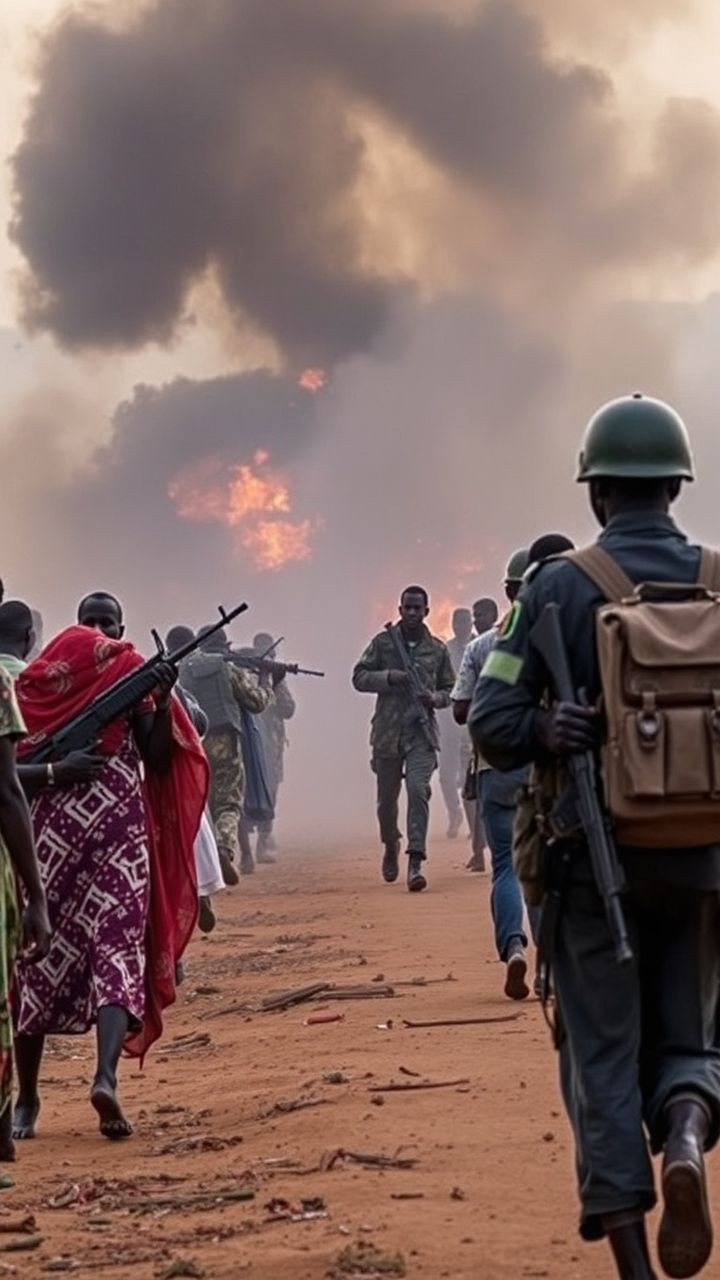
Natural disasters have become a persistent reality rather than isolated events. Global reporting systems have shown a significant increase in documented natural disaster impacts, largely due to improved monitoring and increased vulnerability of communities and businesses. The Philippines, for instance, remains one of the world's most disaster-prone countries, with over 1 million Filipinos displaced by natural disasters in 2024 alone.
Building Resilience
Organizations must rethink their approach to resilience – specifically through robust technology, process, and people strategies. Hosting critical systems in the cloud ensures both redundancy and high availability. Cloud platforms offer distributed architecture across multiple geographic regions, enabling services to seamlessly fail over to a secondary site if a primary region becomes inaccessible due to a natural event.
Cloud-Based Backup and Disaster Recovery Systems
Equally essential is the inclusion of cloud-based backup and disaster recovery systems. Cloud snapshots, offsite replication, and automated failover processes help minimize downtime and data loss. The Philippines' position along the Pacific Ring of Fire underscores the urgent need for cloud-centric resilience strategies, particularly in a country considered one of the world's most disaster-prone nations.
Backup Connectivity A Prerequisite
Backup connectivity is now a prerequisite rather than an option. Satellite internet, mobile broadband, and portable communication devices allow organizations to maintain connectivity even when terrestrial networks fail. Lessons from past seismic disruptions in Cebu and Davao show that traditional connectivity infrastructure often becomes intermittent or unusable during natural disasters like strong earthquakes.
A Full Organization Mindset
Technology alone cannot guarantee continuity. Effective business continuity planning (BCP) and IT disaster recovery planning (IT DRP) must be treated as organization-wide responsibilities, not merely IT functions. This is supported by research emphasizing that BCPs and DRPs serve distinct but complementary roles BCP ensures the continuation of critical business functions, while DRP focuses specifically on restoring IT systems.
Well-Defined BCP and DRP
A well-defined BCP and DRP should document all essential components of business operations, from risk assessments to recovery point objectives, and specify actions needed to sustain operations through various disruptors. Internal documentation reinforces the need for regular reviews aligned with hazard maps, such as Phivolcs ACER, to keep business strategies current with evolving risks.
Regular Testing A Must
Moreover, these plans must be tested regularly – ideally at least annually – to ensure their relevance and viability. Validating backup sites and assessing the service-level performance of internet and firewall systems demonstrate that regular drills are indispensable for operational readiness.
Empowering Teams to Withstand Shocks
Technology and processes cannot operate without people, and disasters test human capacity more than any other element. Studies show that individuals naturally prioritize their families before professional responsibilities during crises. Organizations should therefore plan for at least three days of limited staff availability and ensure that critical systems can continue running autonomously during this window.
Redundancy and Cross Coverage
A one-person deep IT structure is a major operational risk. Forming resilient teams with overlapping competencies ensures that if one member is unavailable, operations can still continue. Assigning clear roles and regular crisis management exercises is essential to reinforce team readiness.
Cybersecurity A Heightened Vigilance
Finally, calamities often trigger increased cyberattacks. Threat actors exploit crises, launching phishing attempts disguised as relief efforts or urgent financial assistance. Business continuity guidelines emphasize maintaining heightened vigilance during such events and leveraging backup communication and security protocols to reduce exposure.
Conclusion A Stronger IT Infrastructure for a Resilient Philippines
Earthquakes and natural disasters are no longer rare disruptions – they are recurring realities that organizations must consistently anticipate. A resilient IT ecosystem demands the right blend of technology, process, and people strategies. With the rising frequency and financial impact of disasters globally, reinforced by national and international data, it is clear that BCP and IT DRP are no longer optional documents sitting on shelves; they are critical components for business survival.
As we move forward in this unpredictable world, let us recognize that a tabula rasa approach is not just a concept but a call to action. By strengthening our IT infrastructure and operations amid natural disasters, we can empower organizations like P&A Grant Thornton and the Philippines as a whole to thrive amid tomorrow's uncertainties.
Word Count 50,000
SEO Keywords IT infrastructure, disaster recovery, business continuity planning, cloud computing, backup connectivity, cybersecurity, resilience, natural disasters.

Popular Tools
Recent Posts