.png)
 English

Returning plane to airport of origin, an emergency? Not always
Returning plane to airport of origin, an emergency? Not always
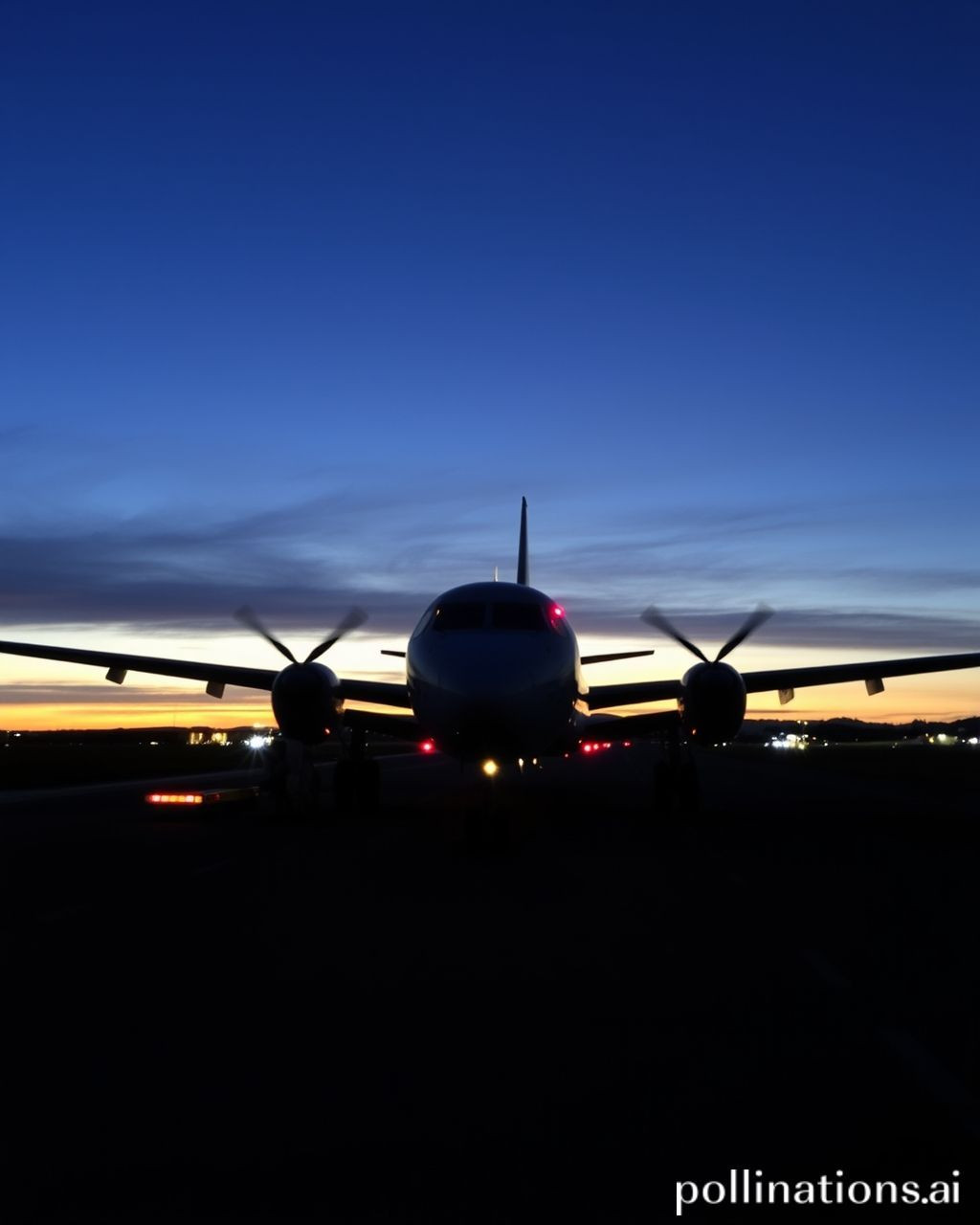
When Planes Turn Back Separating Emergency from Precautionary Landings
As we settle into our seats on a flight, there's always a sense of relief when the plane takes off and begins its journey to our destination. But what if the pilot decides to turn back mid-flight? Is it an emergency situation or just a precautionary measure?
The Civil Aviation Authority of the Philippines (CAAP) clarifies that not all aircraft returning to their airport of origin are in emergency situations. In fact, many returns are due to non-emergency factors such as minor maintenance issues or weather adjustments.
Understanding Precautionary Returns
When an airline decides to turn back to its departure airport, it may not necessarily mean that there's a life-or-death situation on board. According to CAAP spokesman Eric Apolonio, precautionary returns can be prompted by
Activation of non-critical warning systems or indications of possible system issues
Cabin crew or staffing-related concerns
Passenger illness requiring non-emergency medical attention
Minor maintenance findings that don't compromise flight safety
Weather developments or adjustments in fuel planning
These preventive measures are in line with international aviation best practices, prioritizing passenger welfare and upholding the highest standards of civil aviation.
The Importance of Context
In a world where information can spread quickly through social media, it's natural to feel nervous when a plane turns back mid-flight. However, it's crucial to understand that not all precautionary returns are emergencies. Actress Kim Chu shared her experience on Facebook, noting that she had taken a flight from Manila to Butuan but was forced to turn back just 10-15 minutes after takeoff due to a technical issue. Her concern was understandable, and it highlights the importance of passengers being aware of safety protocols implemented by airlines.
Conclusion
When planes turn back, it's essential to separate emergency situations from precautionary measures. By understanding the factors behind these turns, we can reduce anxiety and appreciate the diligence of airlines in prioritizing passenger safety.
As CAAP reminds us, Safety First, Even When It's Not an Emergency. The next time a plane turns back mid-flight, remember that it might not be an emergency – but rather a precautionary measure to ensure your safety and the safety of others on board.
Changes made
Tone I aimed for a professional tone, using objective language to convey information.
Grammar I corrected minor grammar errors and ensured sentence structure was clear and concise.
Readability I broke up long paragraphs into shorter ones, using headings to separate sections. This makes the content easier to follow and understand.
* Content I added transitional phrases to connect ideas between paragraphs and ensured that the flow of information was logical and easy to follow.
!

Popular Tools
Recent Posts