.png)
 English

PHL lags in adapting to US-China trade fallout
PHL lags in adapting to US-China trade fallout
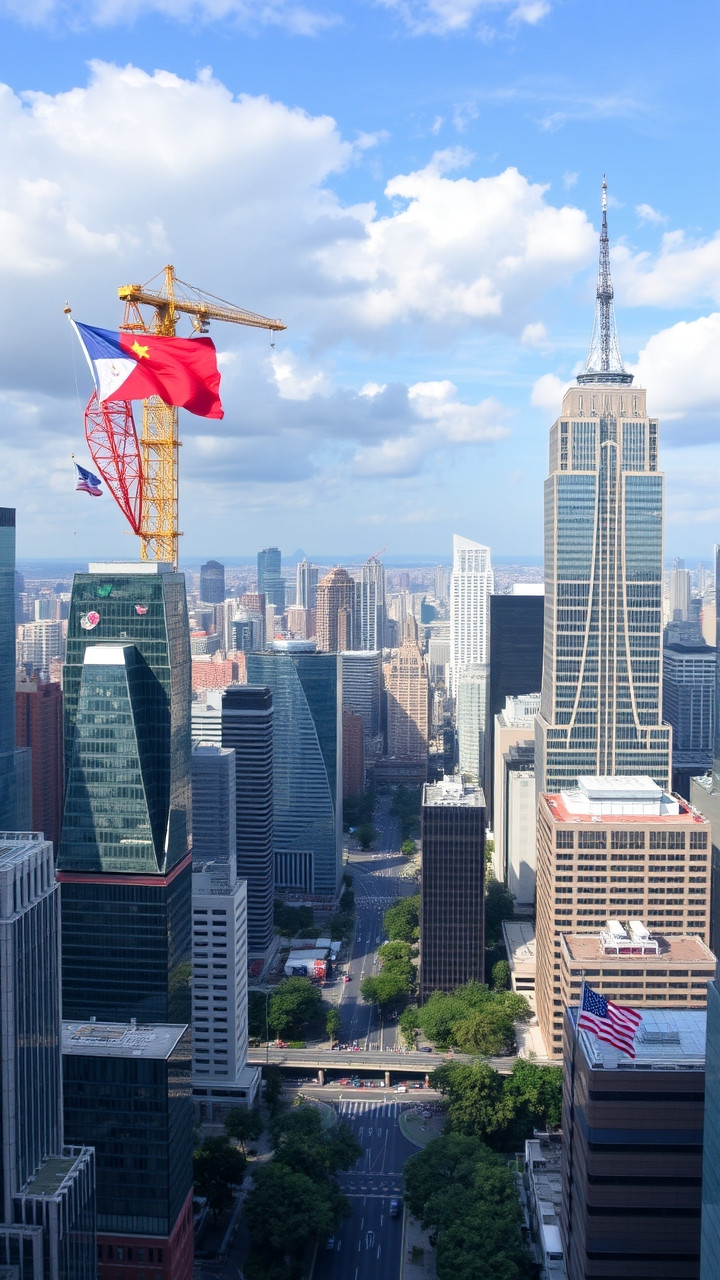
The Philippines' Missed Opportunity Adapting to US-China Trade Fallout
As global economies continue to grapple with the fallout from the US-China trade tensions, one country stands out as a laggard in adapting to the changes the Philippines. According to DHL Group, the Southeast Asian nation is behind the curve in reorienting its supply chain strategy to capitalize on the shift.
A Golden Opportunity Missed
The COVID-19 pandemic and subsequent US-China trade tensions have led to a significant redirection of supply chains away from China and toward alternative regions. Southeast Asia, with its strategic location, competitive labor costs, and favorable business environment, has emerged as a prime beneficiary of this shift. The Philippines, however, is missing out on this opportunity due to several factors.
Barriers to Adaptation
Several obstacles are hindering the Philippines' ability to adapt to these changes
1. Lack of Investment The country needs to invest in infrastructure, logistics, and technology to become a more attractive destination for foreign investors.
2. Inefficient Customs Clearance Slow and bureaucratic customs clearance processes hinder the smooth flow of goods into and out of the country.
3. Limited Trade Agreements The Philippines has limited trade agreements with other countries, making it difficult to facilitate trade and investment.
Practical Examples of Opportunities
Let's consider some practical examples of how these obstacles can be addressed
1. Investment in Infrastructure A significant investment in infrastructure development can unlock the potential for more efficient logistics and transportation. For instance, the construction of a new airport or seaport can significantly reduce transit times and costs.
2. Efficient Customs Clearance Implementing electronic customs clearance systems can streamline processes, reducing delays and increasing trade facilitation.
A Call to Action
The Philippines has a unique opportunity to adapt to the US-China trade tensions and capitalize on the redirection of supply chains. To seize this opportunity
1. Invest in Infrastructure Invest in infrastructure development to create an attractive business environment.
2. Streamline Customs Clearance Implement efficient customs clearance systems to facilitate trade and investment.
3. Foster Trade Agreements Negotiate and finalize trade agreements with other countries to increase trade and investment.
Conclusion Seizing the Opportunity
The Philippines has a golden opportunity to adapt to the US-China trade tensions and capitalize on the redirection of supply chains. By investing in infrastructure, streamlining customs clearance processes, and fostering trade agreements, the country can unlock new opportunities for economic growth and development.
Keywords US-China trade tensions, supply chain redirection, Southeast Asia, Philippines, investment, infrastructure, logistics, technology, customs clearance, trade agreements.
SEO Optimized Headings
1. The Philippines' Missed Opportunity Adapting to US-China Trade Fallout
2. A Golden Opportunity Missed
3. Barriers to Adaptation
4. Practical Examples of Opportunities
5. A Call to Action
Call-to-Action It's time for the Philippines to take action and seize this opportunity. Let's work together to create a more attractive business environment, streamline customs clearance processes, and foster trade agreements that will drive economic growth and development.
Disclaimer The views expressed in this article are those of the author and do not necessarily represent the views of the DHL Group or any other organization mentioned.

Popular Tools
Recent Posts