.png)
 English

Pakistan launches deadly strikes in Afghanistan
Pakistan launches deadly strikes in Afghanistan
Pakistan's Deadly Strikes in Afghanistan A Complex Web of Militancy and Counter-Insurgency Efforts
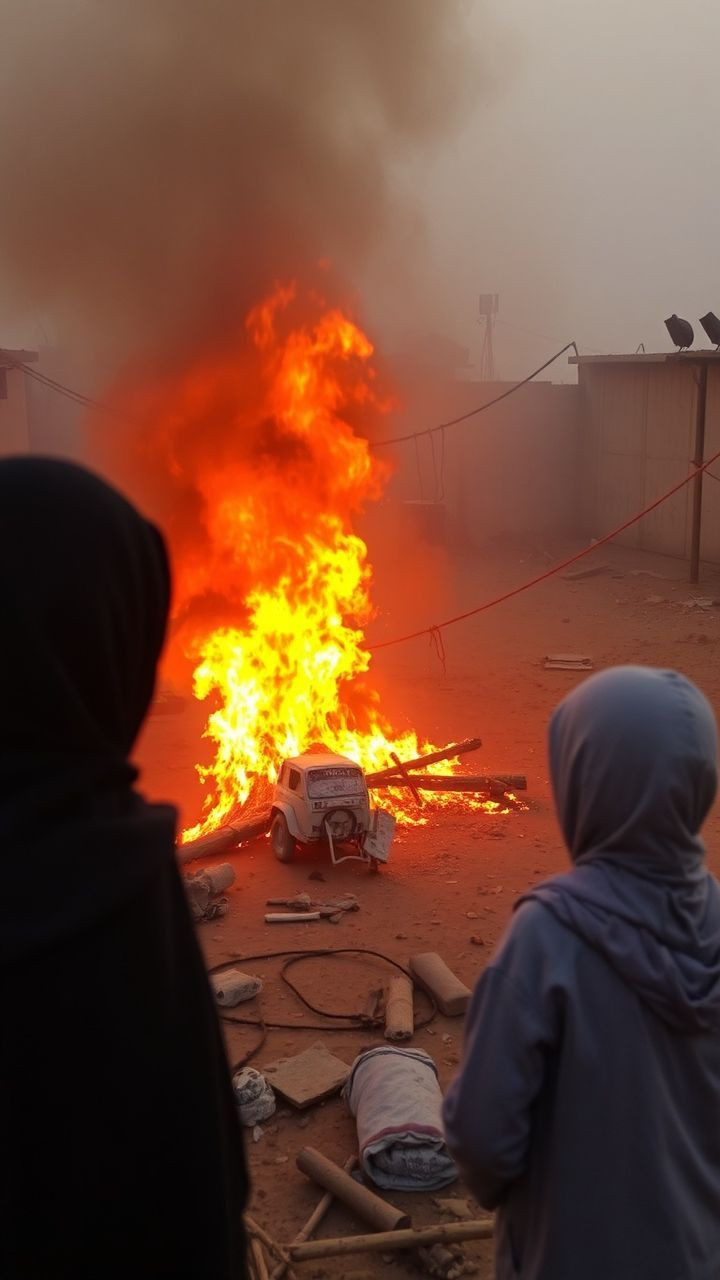
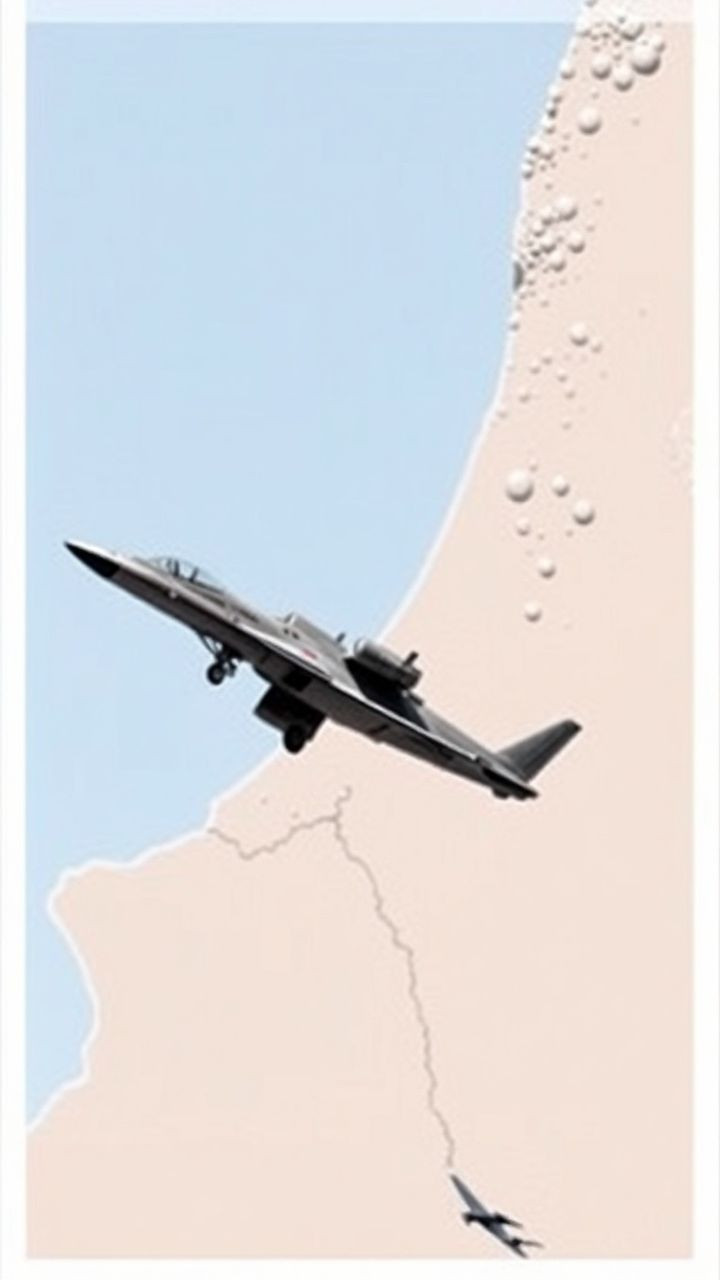
The recent surge in violence in South Asia has left many wondering about the motivations behind Pakistan's deadly strikes in Afghanistan. On Sunday, Pakistan claimed to have launched multiple air strikes targeting militants in neighboring Afghanistan, resulting in dozens of people killed and wounded, including children.
This escalation of violence has sparked concerns about the potential consequences for the already fragile peace process in Afghanistan. However, what lies beneath this seemingly straightforward narrative of a military operation gone wrong? In reality, Pakistan's actions are part of a complex web of militancy and counter-insurgency efforts that have been unfolding for years.
A Historical Context
To understand the present crisis, it is essential to look back at the historical context. Afghanistan has long been plagued by militant groups seeking to establish an Islamic caliphate or impose their own brand of radical Islam on the region. The Taliban, in particular, have been a significant player in this narrative, with their brutal regime lasting from 1996 to 2001 and leaving a trail of destruction and human rights abuses in its wake.
Pakistan's role in this saga is multifaceted. On one hand, Pakistan has long been seen as a key ally in the global War on Terror, providing crucial support to the United States and other Western powers in their efforts to defeat Al-Qaeda and the Taliban. On the other hand, Pakistan has also been accused of providing sanctuary and support to these very same militant groups, including the Haqqani network and the Taliban.
Pakistan's Counter-Insurgency Efforts
In recent years, Pakistan has made a foray into counter-insurgency efforts in Afghanistan, launching military operations against militants on both sides of the border. These operations have been met with varying degrees of success, but they have also sparked concerns about civilian casualties and human rights abuses.
Pakistan's latest air strikes are part of this ongoing effort to take out militant targets in Afghanistan. However, what makes these strikes particularly noteworthy is the reported presence of children among those killed and wounded. This has sparked outrage from human rights groups and others who argue that such tactics are unacceptable and only serve to further destabilize an already volatile region.
The Consequences of Escalation
As tensions continue to escalate in the region, concerns about the potential consequences for the peace process in Afghanistan are growing. The United States has long been a key player in these efforts, providing military support and diplomatic backing to the Afghan government. However, with Pakistan's latest actions, some are questioning whether this fragile process can be sustained.
Moreover, the involvement of children in these strikes raises serious concerns about the impact on future generations. As one human rights activist noted, When children become victims of war, it is a stark reminder that we must work towards a more peaceful and just world.
Conclusion
In conclusion, Pakistan's deadly strikes in Afghanistan are part of a complex web of militancy and counter-insurgency efforts that have been unfolding for years. While the motivations behind these actions may be understandable, the reported presence of children among those killed and wounded raises serious concerns about the impact on future generations.
As we move forward in this chaotic region, it is crucial that we prioritize diplomacy, human rights, and a commitment to peaceful conflict resolution. Only through such an approach can we hope to build a more stable and prosperous future for all parties involved.
Keywords Pakistan, Afghanistan, militancy, counter-insurgency, airstrikes, children, war, human rights, peace process