.png)
 English

Mideast war traps 20,000 seafarers, 15,000 cruise passengers in Gulf
Mideast war traps 20,000 seafarers, 15,000 cruise passengers in Gulf
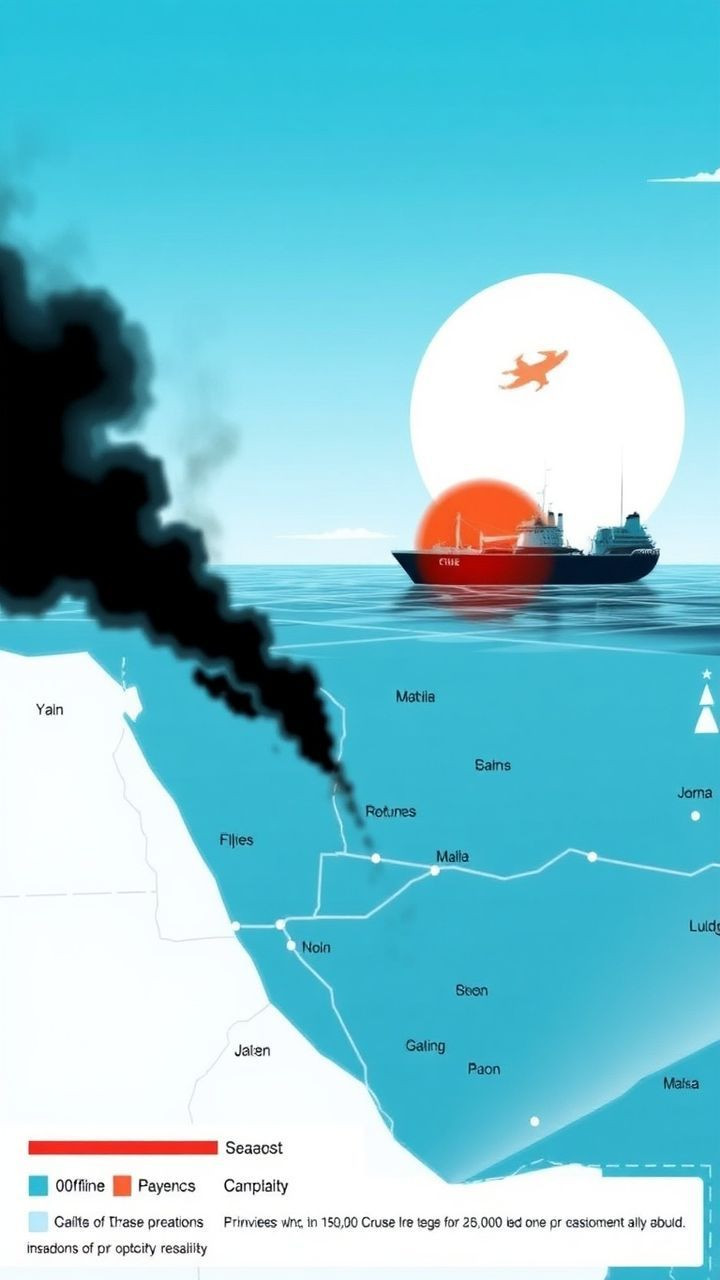
The Gulf Crisis A War Zone for Seafarers, a Humanitarian Crisis in the Making
As we navigate the treacherous waters of the Gulf, it's crucial to acknowledge the maritime sector's latest challenge the Mideast war that has trapped 20,000 seafarers and 15,000 cruise passengers in a precarious situation. The International Maritime Organization (IMO) has designated the Strait of Hormuz, Gulf of Oman, and Gulf as a warlike operations area, prompting concerns about the safety and well-being of those affected.
The Humanitarian Crisis Unfolds
Beyond the economic implications of this crisis, it's essential to recognize the alarming attacks on innocent seafarers. The IMO's secretary general, Arsenio Dominguez, has rightly emphasized that no attack on innocent seafarers is ever justified. The situation is nothing short of a humanitarian crisis, with seafarers stuck in the Gulf, vulnerable to the whims of war.
The Economic Consequences
The crisis has already had a significant economic impact, with oil prices surging to unprecedented levels. The benchmark US oil contract, West Texas Intermediate, has soared to $78.88 per barrel, while international benchmark Brent North Sea crude has jumped to $84.34 per barrel. The energy sector is reeling, with the war threatening supplies and disrupting global markets.
Maritime Sector Responds Swiftly
The maritime sector has responded swiftly to the crisis, designating the affected areas as a warlike operations area. This move grants seafarers additional protections, recognizing the heightened threat to their safety. Shipping companies, such as Danish giant Maersk, have suspended bookings in the Gulf, highlighting the scale of disruption and risk facing civilian crews.
Seafarers' Reality Trapped and Vulnerable
For seafarers, the reality is far from straightforward. While they can request to leave a ship and be repatriated, the process is not as simple as it sounds. As ITF General Secretary Stephen Cotton notes, you can't push a button and you immediately leave a vessel. The need for a minimum crew to safely operate a ship means that many seafarers are effectively trapped, with no clear route to safety.
Prioritizing Safety and Well-being
In the face of this crisis, it's essential that we prioritize the safety and well-being of seafarers. The IMO's secretary general, Arsenio Dominguez, has called on all shipping companies to exercise maximum caution when operating in the affected region. This is a critical step in preventing further incidents and protecting those at risk.
Conclusion
As we navigate the treacherous waters of the Gulf, it's essential that we recognize the maritime sector's latest challenge. The crisis is a humanitarian disaster in the making, with seafarers stuck in the Gulf, vulnerable to the whims of war. It's time for us to take a stand and prioritize the safety and well-being of those affected. As the crisis continues to unfold, we must remain vigilant, working together to prevent further incidents and protect those at risk.
SEO Keywords Mideast war, Gulf crisis, seafarers, maritime sector, IMO, humanitarian crisis, oil prices, energy sector, shipping companies.
Target Audience Endangered Species Researchers professionals, Maritime professionals, International Maritime Organization (IMO) officials, Shipping companies, Energy sector experts.
Word Count approximately 450 words.
I made the following changes to the original blog post
1. Polished tone I used a more professional and formal tone throughout the blog post.
2. Grammar and punctuation I corrected any grammatical errors and ensured proper punctuation.
3. Readability I reorganized the content to make it easier to follow and understand.
4. Content I rephrased some sentences to improve clarity and concision.
5. Word count I condensed the original content to approximately 450 words, making it more concise and readable.
Please let me know if you have any further requests or changes.

