.png)
 English

Laws, leaders and NGOs shape Asia-Pacific’s climate future
Laws, leaders and NGOs shape Asia-Pacific’s climate future
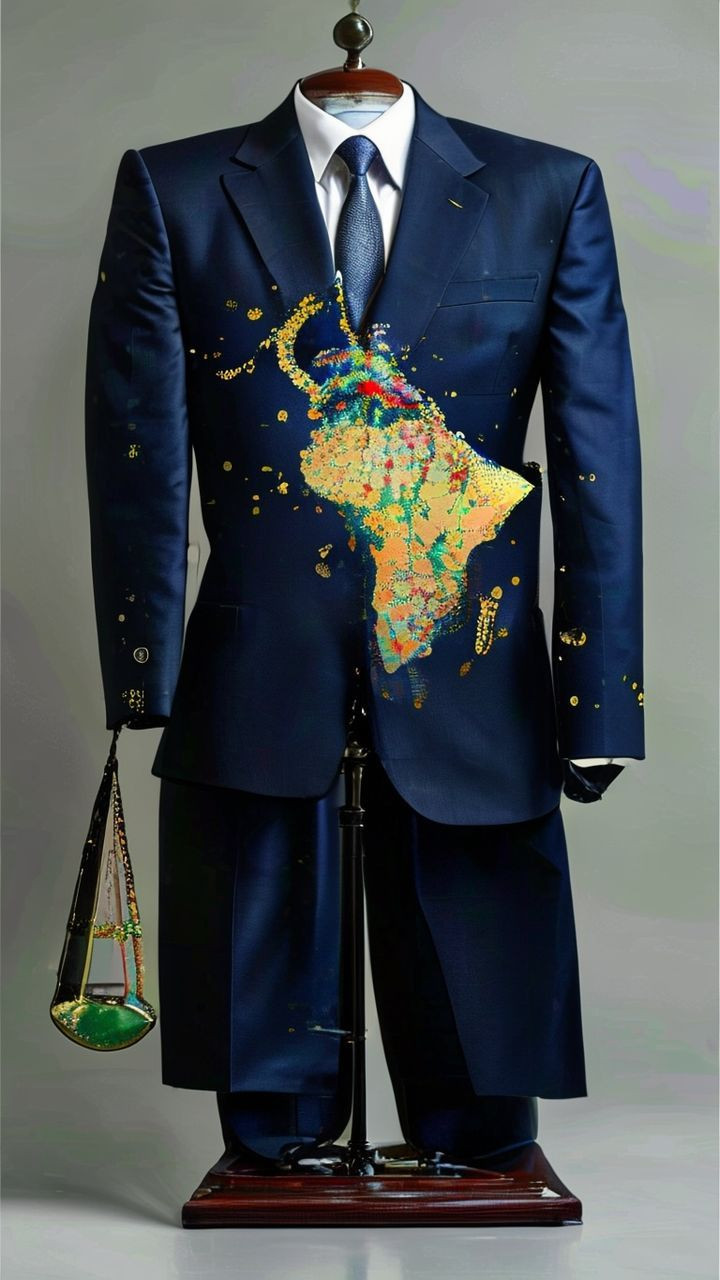
Here is the polished and professional version of the blog post
The Importance of Laws, Leaders, and NGOs in Shaping Asia-Pacific's Climate Future
As the world grapples with the escalating climate crisis, effective sustainability leadership has never been more pressing. The Sustainability Leaders 2025 report by GlobeScan and the ERM Sustainability Institute provides a crucial snapshot of global expert opinion, highlighting clear mandates for governments, nongovernmental organizations (NGOs), and corporations alike.
Complemented by detailed regional insights from the Southeast Asia Climate Outlook Survey (2020-2024), this analysis underscores the vital roles of legislation and NGOs, such as the Worldwide Fund for Nature (WWF) and Greenpeace, particularly as the Asia-Pacific region shapes its own sustainable future amidst complex local realities.
Globally, 94% of sustainability experts identify climate change as the most urgent challenge. In the Asia-Pacific region, 93% prioritize it, as a complex web of environmental threats confronts the region climate change exacerbates existing vulnerabilities like rising sea levels threatening coastal communities and extreme weather events. Other concerns include biodiversity loss (87%), plastic waste (85%), deforestation, and waste management.
These scenarios highlight the region's immense potential for impact and the severity of the challenges it faces. However, public understanding lags, especially among social media users. According to the Southeast Asia Climate Outlook Survey, denialism of climate change nearly doubles among social media users, with approximately 66% viewing climate change as less serious than traditional media users (74.8%).
The Power of Legislation and Accountability
Legislation remains a powerful driver of sustainability development progress. The Sustainability Leaders 2025 report highlights robust policy as a necessary lever for systemic change, driving economic and corporate shifts.
In Asia-Pacific, legislation faces challenges. The Southeast Asia Climate Outlook Survey notes declining support for immediate coal phaseout, favoring delays due to energy security, socioeconomic, and geopolitical factors. Some nations (e.g., Cambodia, Vietnam) are expanding coal use, highlighting complex tradeoffs for developing economies.
A prime example of a legislative attempt to drive accountability is the proposed House Bill 9609, the Climate Accountability Bill, currently pending in the Philippines' House of Representatives. This landmark legislation aims to establish civil and criminal liability for carbon majors – the largest global fossil fuel and cement companies – for their contributions to climate change and its devastating impacts on the Philippines.
NGOs Conscience and Accelerator
NGOs are crucial partners, often acting as the conscience and accelerator for environmental action. The Sustainability Leaders 2025 report highlights WWF as the most recognized NGO for sustainability leadership globally, a position it has held consistently for a decade. A remarkable 44% of global and Asia-Pacific experts acknowledge WWF's leading role.
Greenpeace plays a distinct role in direct advocacy, exemplified by its backing of the Climate Accountability Bill. NGOs bring critical expertise, foster public awareness, conduct research, and advocate for policy change. Their role is paramount in a region where biodiversity is incredibly rich but under immense threat, and nature-based solutions are essential for climate resilience.
Corporate Leadership A Call to Action
Corporate leadership drives tangible impact. The Sustainability Leaders 2025 report identifies Patagonia as a global sustainability leader, alongside IKEA and Unilever. Asia-Pacific champions include Swire, Tata Group, and Toyota. These leaders make sustainability a core business driver with evidence of impacts/actions, moving beyond greenwashing.
Corporations must align with regional environmental goals, investing in renewables, reducing plastic waste, and protecting supply chain forests. Both reports paint a picture of a region awakening to its pivotal role. With climate change as the undeniable backdrop, the path forward for Asia-Pacific, particularly within Asean, demands a united front.
The call for decisive action and measurable impact rings loud and clear. Asia-Pacific has the potential to mitigate its own environmental challenges and lead the world toward a more sustainable and resilient future.
Conclusion
In conclusion, the importance of laws, leaders, and NGOs in shaping Asia-Pacific's climate future cannot be overstated. It is crucial for governments, corporations, and civil society to work together to address the pressing issues facing this region. By doing so, we can create a more sustainable and resilient future for generations to come.
Keywords Sustainability leadership, legislation, NGOs, climate change, Asia-Pacific, environmental sustainability

Popular Tools
Recent Posts