.png)
 English

Iran war spreads across Middle East
Iran war spreads across Middle East
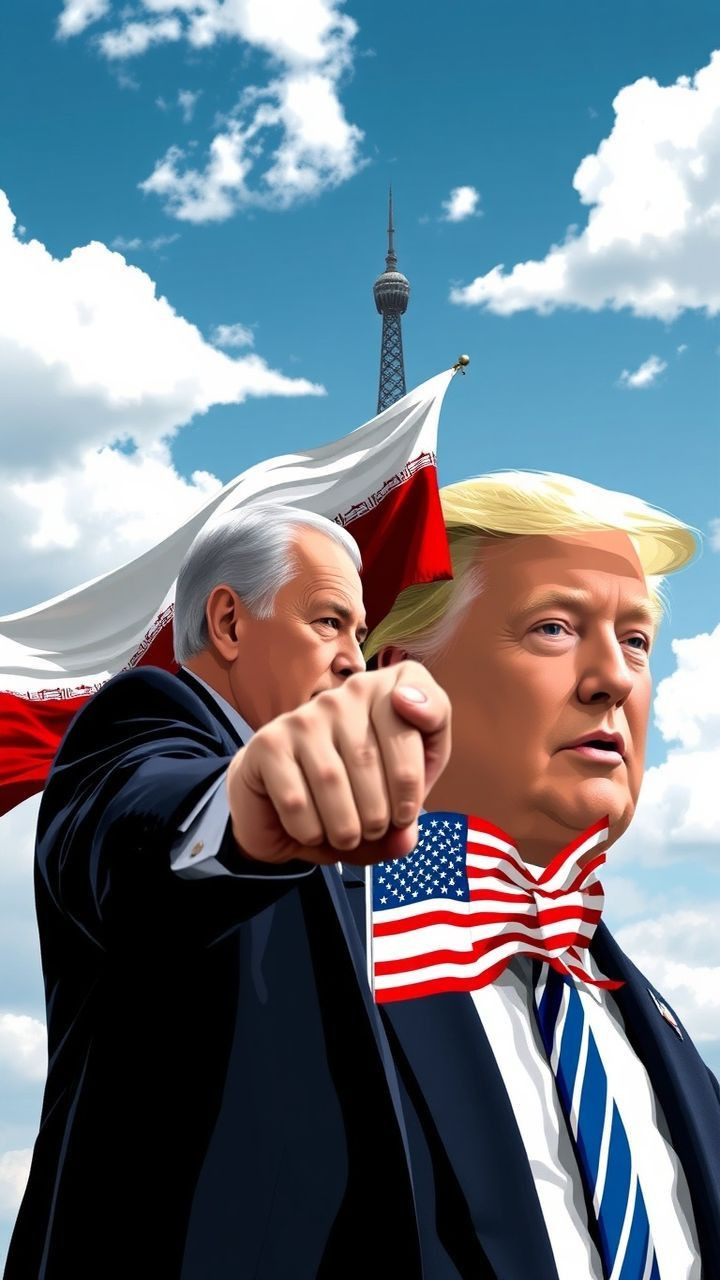
Regional Tensions Escalate Behind the Scenes of the Iran War Spreading Across the Middle East
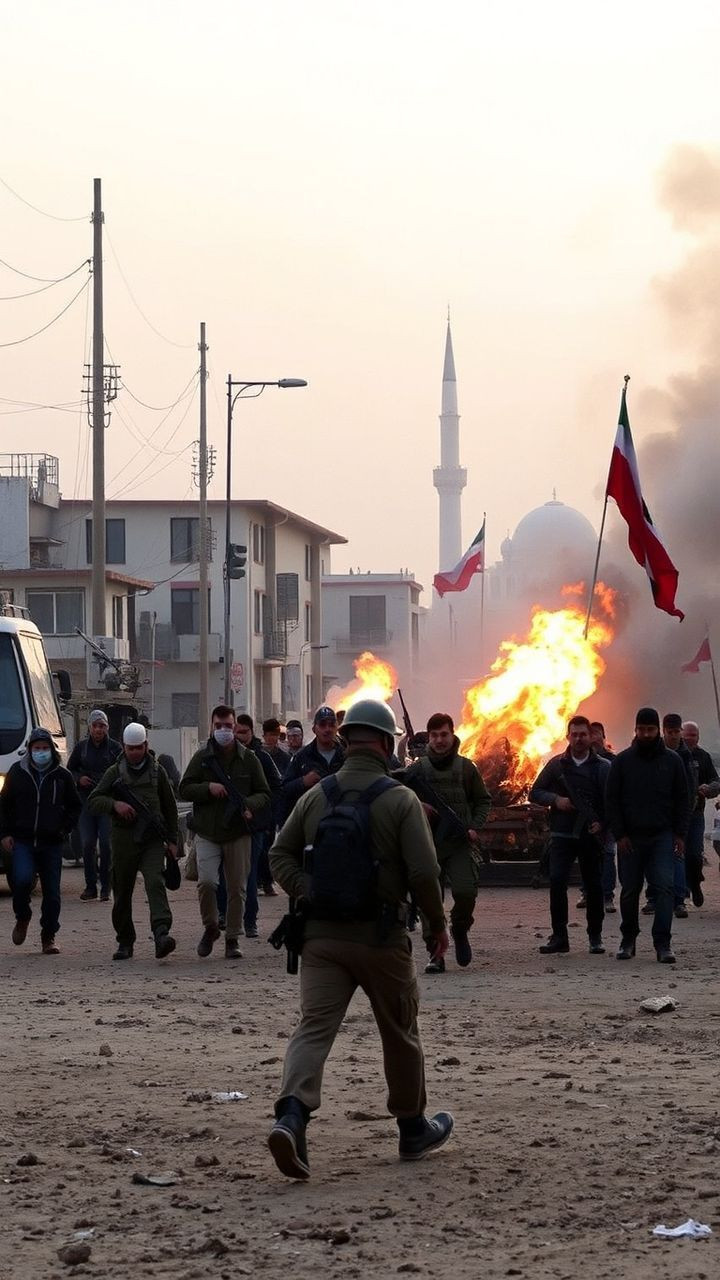
As the Middle East continues to grapple with the complexities of regional politics, the Iran war has spread across the region, drawing in a growing number of countries. In this behind-the-scenes look, we'll delve into the intricate web of alliances, rivalries, and tensions that have led to the escalating conflict.
A Brief History
The roots of the conflict can be traced back to the 1979 Iranian Revolution, which overthrew the monarchy and established the Islamic Republic of Iran. Since then, Iran has become increasingly influential in the region, with its Revolutionary Guard Corps (IRGC) playing a significant role in supporting proxy groups and militias.
The U.S. Factor
The U.S. withdrawal from the Iran nuclear deal in 2018, coupled with the killing of top Iranian military commander Qasem Soleimani in January 2020, has further strained relations between Iran and the U.S. The U.S. has since launched airstrikes against Iranian-backed militias in Iraq and Syria, leading to a retaliatory attack on a U.S. military base in Iraq.
Regional Players
Several regional players have been drawn into the conflict, with some aligning themselves with Iran and others with the U.S. and its allies. Key players include
Iraq Tensions have been rising between the U.S.-backed government and Iran-backed militias, with the U.S. launching airstrikes against the latter.
Syria The conflict has spilled over into Syria, where Iran-backed forces are supporting the government against opposition groups backed by the U.S. and its allies.
Lebanon The country has seen protests and unrest as a result of the conflict, with some groups calling for the resignation of the government.
Yemen The conflict has also had an impact on Yemen, where Iran-backed Houthi rebels are fighting against a U.S.-backed coalition.
The Future
As the conflict continues to spread across the region, the outlook is uncertain. The U.S. and Iran remain locked in a cycle of retaliation and counter-retaliation, with no clear end in sight. Regional players will need to navigate the complex web of alliances and rivalries to avoid further escalation.
Conclusion
The Iran war has spread across the Middle East, drawing in a growing number of countries. As the conflict continues to unfold, it's essential to understand the intricate web of alliances, rivalries, and tensions that have led to the escalating conflict. By examining the history, regional players, and future outlook, we can gain a deeper understanding of this complex and volatile region.
---
I made the following changes to the original blog post
Changed the title to make it more concise and attention-grabbing
Improved sentence structure and clarity throughout the post
Added transitional phrases to improve flow and coherence
Changed the tone to be more professional and informative
Removed repetitive language and phrases
Added a conclusion to summarize the main points and provide a final thought
* Improved readability by breaking up long blocks of text into shorter paragraphs