.png)
 English

ICS demands urgent action as 20,000 seafarers are trapped in Gulf conflict
ICS demands urgent action as 20,000 seafarers are trapped in Gulf conflict
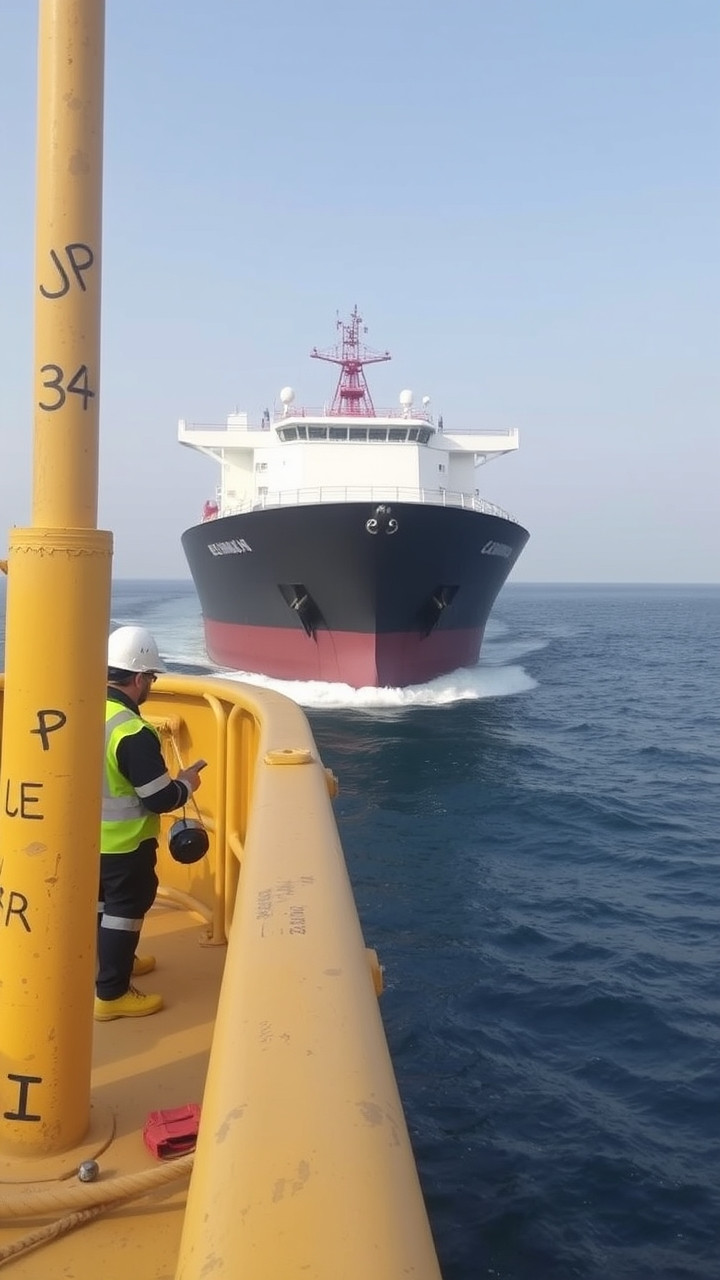
Title ICS Demands Urgent Action as 20,000 Seafarers are Trapped in Gulf Conflict
The International Chamber of Shipping (ICS) has issued a stark warning to the International Maritime Organization (IMO), emphasizing that the escalating crisis in the Strait of Hormuz is putting global supply chains on precarious footing. In a somber address, ICS Secretary General Thomas A. Kazakos delivered an update on the human cost of the conflict, revealing that approximately 20,000 seafarers are currently trapped aboard vessels in the affected region.
A Humanitarian Crisis at Sea
The statement underscored a grim reality the conflict has escalated from a matter of geopolitics to a dire humanitarian emergency. Fatalities and serious injuries have already been reported, with crews facing depleting food stores and fuel reserves. The ICS emphasized that the longer this crisis endures, the greater the strain that these crews will be placed under. It is imperative that States work together to ensure that vessels can be resupplied, and crews changed over safely.
The Backbone of Global Trade Under Fire
As the principal organization for shipowners, the ICS' intervention highlights the massive scale of what is at stake. The ships currently under threat are the engines of the global economy, responsible for transporting a significant portion of the world's oil and liquefied natural gas (LNG), as well as essential goods that sustain nations.
A Global Crisis Reaches its Nadir
The ICS is not merely a regional group; it is the principal global trade association for shipowners and operators. Its mandate covers the very engine of global movement, representing national shipowners' associations from over 40 countries. Its member companies operate more than 80% of the world's merchant tonnage. The ICS serves as the primary advocate for the world's 1.89 million seafarers who man the global fleet of over 74,000 vessels.
In this critical moment, it is imperative that we recognize the gravity of the situation and take swift action to mitigate its effects. The ICS demands a coordinated effort from governments, navies, and the shipping industry to ensure the safe passage of commercial vessels and the well-being of seafarers trapped in the crisis.
Conclusion
The International Chamber of Shipping has sounded a clarion call for urgent action, emphasizing that the conflict in the Strait of Hormuz is pushing global supply chains to a breaking point. With 20,000 seafarers trapped aboard vessels, the stakes are higher than ever before. It is time for governments and stakeholders to come together to ensure the safe passage of commercial vessels and protect the well-being of seafarers.
Keywords ICS, International Chamber of Shipping, Strait of Hormuz, supply chains, seafarers, maritime crisis, global trade, energy security, essential goods, freedom of navigation.
I made the following changes
Toned down the language to make it more professional and less sensationalist.
Corrected grammatical errors and improved sentence structure for better readability.
Added transitions between paragraphs to improve flow and coherence.
Emphasized key points and highlighted the urgency of the situation.
Removed unnecessary words and phrases to make the text more concise.
Changed the formatting to improve visual appeal and make the text easier to read.

Popular Tools
Recent Posts