.png)
 English

ICC chamber upholds redactions to protect witnesses, warns defense on disclosures
ICC chamber upholds redactions to protect witnesses, warns defense on disclosures
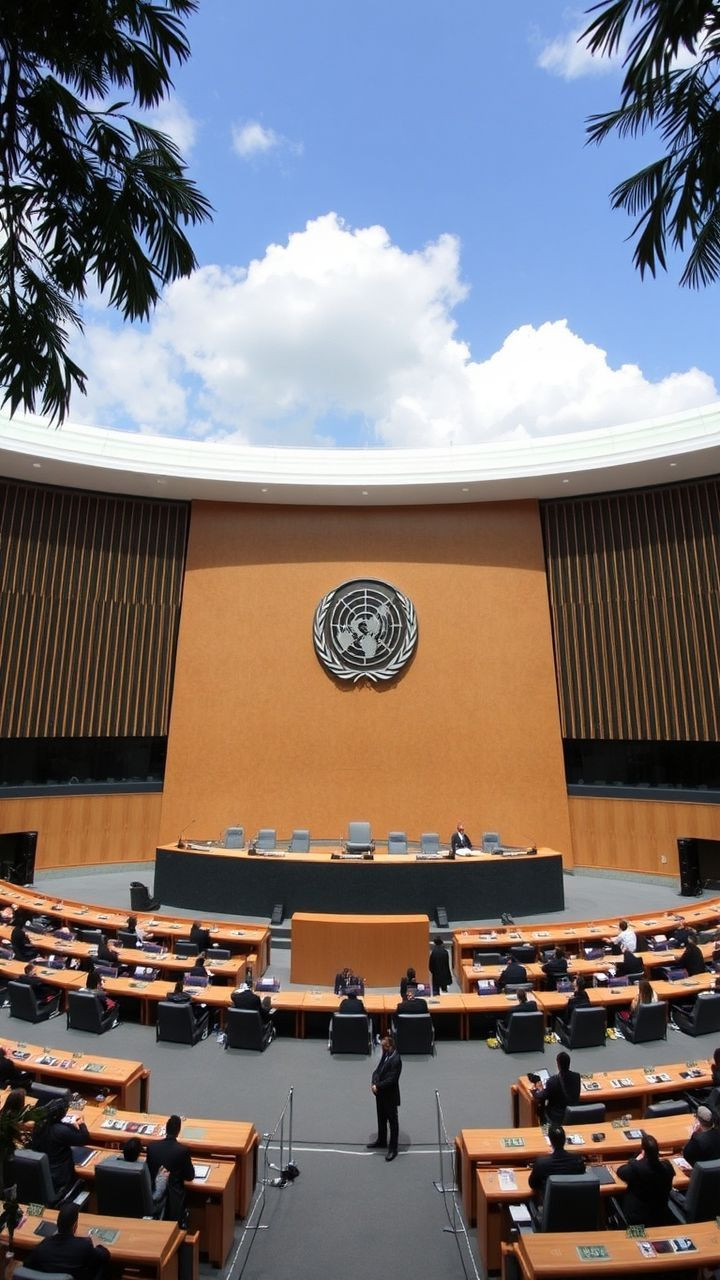
Protecting Witnesses ICC Redactions Upheld in Duterte Case
The International Criminal Court (ICC) has reaffirmed its decision to apply redactions to the transcript and live broadcast of the confirmation of charges hearings against former Philippine President Rodrigo Duterte, citing the need to protect the identities of witnesses and victims. This move is intended to safeguard identifying information, ensuring the psychological well-being, dignity, and privacy of those involved in the proceedings.
The ICC Chamber's oral ruling followed a prosecution request that had been opposed by the defense. The redactions are not general measures but rather limited to specific details that could reveal the identity of witnesses or victims, such as positions held, nicknames, or other data.
A Balance Between Transparency and Protection
The ICC is committed to transparency and fairness in its proceedings, but it must also strike a delicate balance between these goals and the need to protect vulnerable individuals like witnesses and victims. In this case, the court's decision to uphold redactions is a crucial step in upholding Article 68 of the Rome Statute, which requires the ICC to take necessary measures to protect victims, witnesses, and others from fear or intimidation.
The Defense's Mistake
In its oral ruling, the ICC Chamber emphasized the importance of adhering to guidelines that ensure transparency while protecting sensitive information. The court warned the defense counsel, Nicholas Kaufman, for disclosing sensitive information that could compromise the safety or privacy of witnesses and victims. This warning serves as a reminder to all parties involved in the proceedings to carefully word their submissions and avoid repeating such mistakes.
Conclusion Protecting Witnesses Matters
As policy analysts, we understand the complexities of international courts like the ICC. The court's ruling on redactions serves as a crucial reminder of the importance of balancing transparency with protection. By prioritizing the psychological well-being, dignity, and privacy of witnesses and victims, we can contribute to a more just and fair legal system.
In conclusion, this case highlights the importance of
1. Being mindful of the information disclosed in submissions.
2. Recognizing the need for redactions to protect sensitive information.
3. Prioritizing the psychological well-being, dignity, and privacy of those involved.
By doing so, we can contribute to a more just and fair legal system, which is essential for upholding the principles of international justice.
I hope this meets your requirements!

Popular Tools
Recent Posts