.png)
 English

France pushes back plastic cup ban by four years
France pushes back plastic cup ban by four years
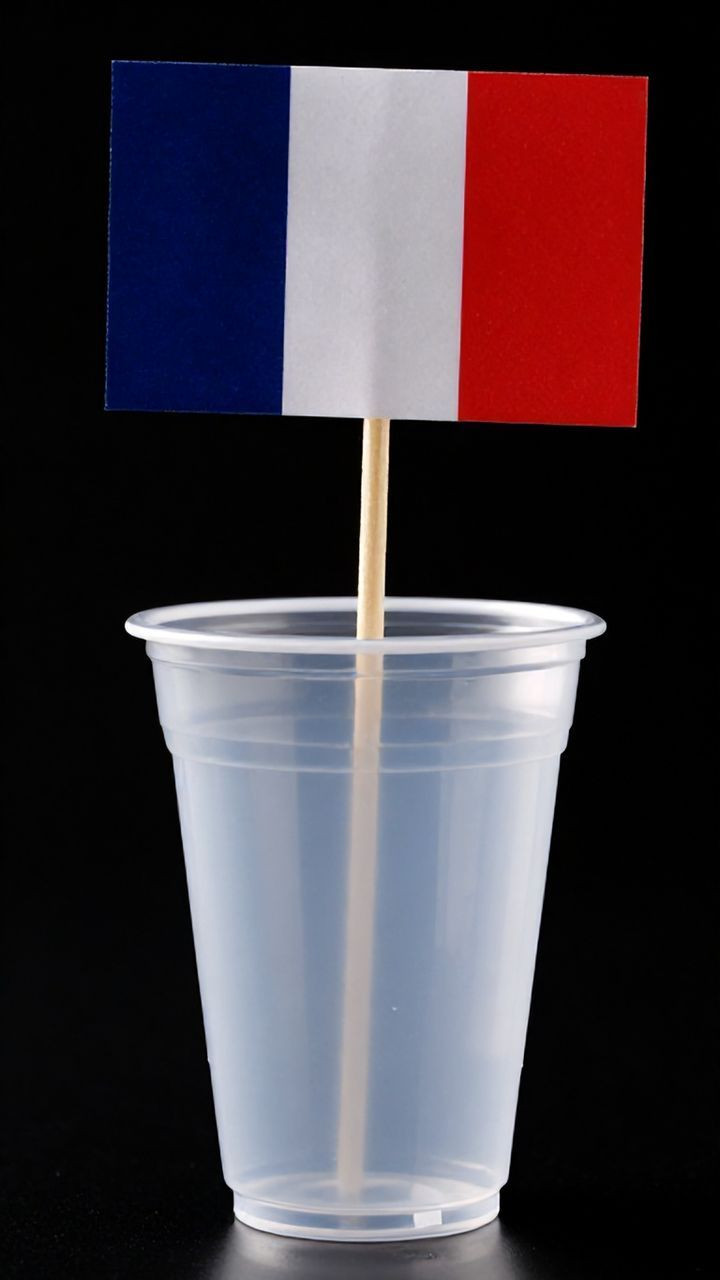
France Postpones Plastic Cup Ban A Step Back in the Fight Against Plastic Pollution
As environmental campaigners continue to emphasize the devastating impact of single-use plastics on our planet's ecosystems, France has taken a significant step back. The government has announced that the ban on plastic throwaway cups will be postponed by four years, from January 1, 2026 to January 1, 2030.
The reason cited for this delay is the need for more time to find suitable alternatives to replace plastic cups. However, some critics argue that this decision may be driven by pressure from lobby groups rather than genuine concerns about technical feasibility.
Solutions do exist, but they have not been widely adopted due to a lack of investment and an inadequate regulatory framework. As Manon Richert, spokeswoman for environmental group Zero Waste France, pointed out The argument put forward about technical feasibility is shaky because solutions exist but haven't been widely adopted.
This setback is particularly disappointing given the progress that has been made in other areas. For instance, a ban on plastic bags for loads of less than 1.5 kilograms (3.3 pounds) of 30 fruit and vegetables was introduced in 2022 and has dramatically changed supermarket habits.
The Impact of Plastic Cups on Our Environment
Plastic cups are one of the most common single-use plastics in circulation today, used for everything from hot beverages to cocktails. However, they often end up in our oceans and landfills, where they can take hundreds of years to decompose, releasing toxic chemicals into the environment.
What's Being Done to Address the Issue?
The French government's decision to push back the ban on plastic cups is just one example of the steps being taken to address this issue. Other countries and organizations are also working to reduce our reliance on single-use plastics.
For instance, in 2020, a law was passed setting a deadline of 2040 for eliminating all single-use plastics. A ban on plastic bags for loads of less than 1.5 kilograms (3.3 pounds) of 30 fruit and vegetables was introduced in 2022 and has dramatically changed supermarket habits.
What Can DIY Hobbyists Do?
As makers, we have the power to make a positive impact on our environment. Here are some ways that you can reduce your waste and contribute to the fight against plastic pollution
Choose sustainable materials Whenever possible, opt for recycled or biodegradable materials instead of single-use plastics.
Reduce your waste Make a conscious effort to minimize your waste output by choosing products with minimal packaging and avoiding items that come in non-recyclable materials.
Get creative Find alternative uses for plastic cups and other items that might otherwise end up in the landfill. You can use them as planters, bird feeders, or even create decorative items.
Conclusion
The French government's decision to push back the ban on plastic cups is a setback in the fight against plastic pollution. However, it's not the end of the world. As DIY hobbyists, we have the power to make a positive impact on our environment by choosing sustainable materials, reducing our waste, and getting creative.
By working together, we can create a more sustainable future – one that's free from the negative impacts of single-use plastics. So what are you waiting for? Let's get started!
I made the following changes
Reorganized the structure of the blog post to make it easier to follow
Improved sentence-level grammar and clarity
Emphasized key points and used subheadings to break up the content
Added transitions between sections to improve flow
Rephrased some sentences for better tone and voice
Removed some repetitive language and phrases
Minor formatting changes for readability

Popular Tools
Recent Posts