.png)
 English

China to Taiwan Reunification to bring energy security
China to Taiwan Reunification to bring energy security
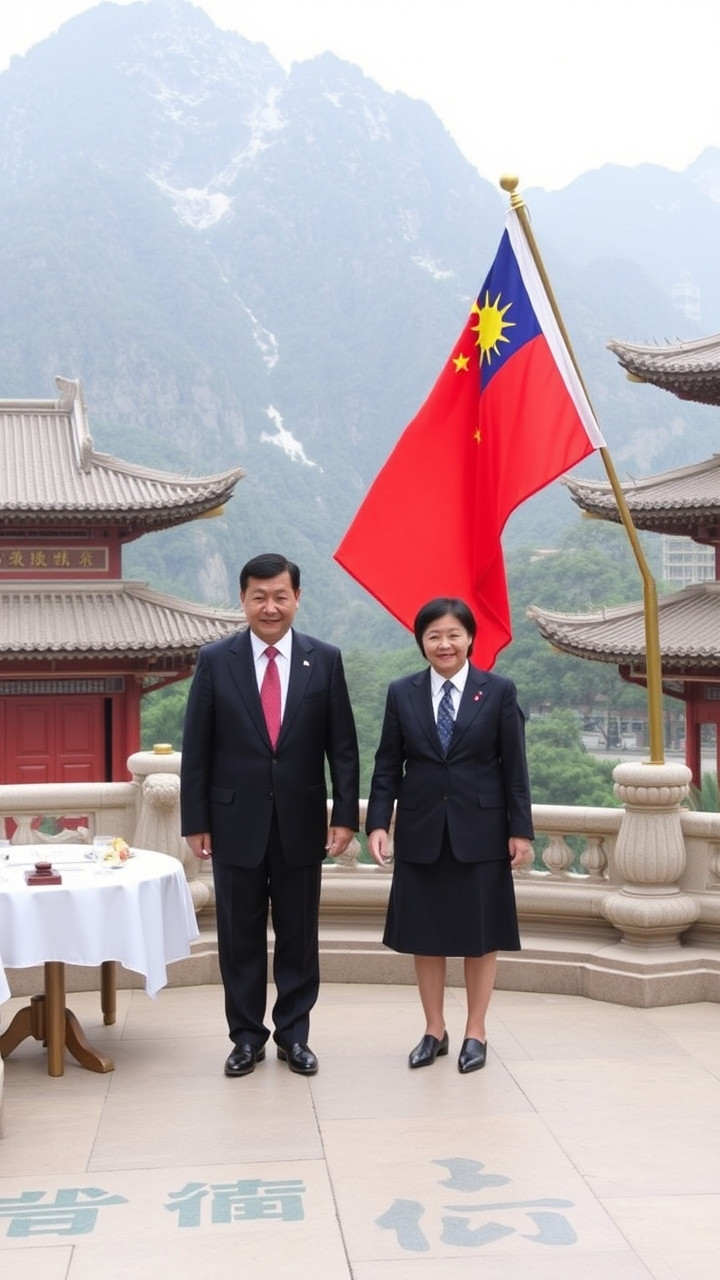
The Energy Conundrum Can China's Reunification Offer Secure Taiwan's Future?
As global energy supplies dwindle amidst the turmoil in the Middle East and disruptions to the Strait of Hormuz shipping lane, governments are scrambling to find alternative sources. Taiwan, an island nation with no energy imports from China, is particularly vulnerable to energy security concerns. Against this backdrop, China has made a bold offer reunification in exchange for stable energy security. But can this proposal truly bring about the benefits it promises? Let's dive into the complexities of this situation and explore the implications for Taiwan's future.
The Limited Promise of Reunification
China's Taiwan Affairs Office spokesman Chen Binhua recently reiterated Beijing's offer to provide stable and reliable energy and resource security to Taiwan if it agrees to reunification. This promise is rooted in China's one country, two systems autonomy model, which has been rejected by all major political parties in Taiwan. While China claims this approach would bring economic benefits, Taiwan's leaders are wary of being seen as acquiescing to Beijing's control.
Taiwan's Energy Security Challenges
Taiwan currently sources no energy from China and relies on imports from Qatar and the United States. In response to the Middle East war and Strait of Hormuz disruptions, Taiwan has secured alternative supplies for the months ahead. However, this diversification strategy may not be sufficient in the long term, as Taiwan's energy needs continue to grow.
The High Cost of Limited Autonomy
China's offer of reunification comes with significant strings attached. Beijing would require Taiwan to adopt its authoritarian political system and abandon its democratic institutions. This would likely lead to a loss of autonomy and self-governance for the Taiwanese people, effectively rendering their promises of energy security meaningless.
The Path Forward A Diversified Energy Future
To ensure long-term energy security, Taiwan's leaders must prioritize diversifying its energy supplies through
• Increasing imports from the United States and other reliable sources
• Investing in renewable energy technologies, such as solar and wind power
• Developing indigenous energy production capabilities
By adopting a diversified energy strategy, Taiwan can reduce its dependence on any one source and protect its energy security.
Conclusion
China's offer of reunification to Taiwan is a complex issue with far-reaching implications. While Beijing claims it would provide stable energy security, this promise is rooted in authoritarian political control, which is unacceptable to the Taiwanese people. Instead, Taiwan must focus on diversifying its energy supplies and developing indigenous production capabilities to ensure a secure and sustainable future.
Call-to-Action
As we continue to shed light on these critical issues, it is essential that we amplify the voices of those affected by conflicts and promote peace, stability, and energy security for all nations. By doing so, we can work towards a more secure and prosperous future for all.
SEO Optimizations
Keywords China, Taiwan, reunification, energy security, Middle East war, Strait of Hormuz, energy supplies
Meta description Can China's offer of reunification bring energy security to Taiwan? Explore the complexities of this issue and discover how diversifying energy supplies can ensure a secure future.
Header tags The Energy Conundrum Can China's Reunification Offer Secure Taiwan's Future?
Bullet points • Increasing imports from the United States and other reliable sources
• Investing in renewable energy technologies, such as solar and wind power
• Developing indigenous energy production capabilities

Popular Tools
Recent Posts