.png)
 English

Agriculture department evaluating proposal to cap price of imported rice
Agriculture department evaluating proposal to cap price of imported rice
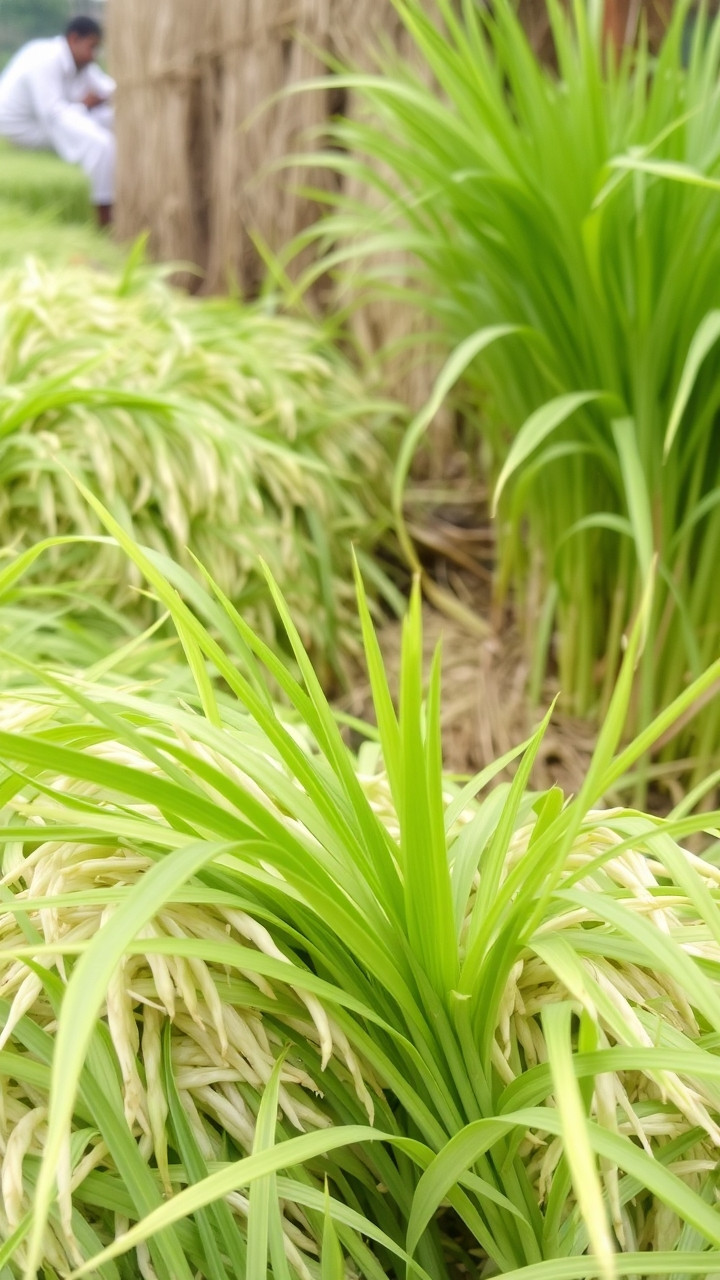
Title DA Considers Price Cap on Imported Rice A Potential Lifeline for Filipino Consumers
The Philippine Department of Agriculture (DA) is evaluating a proposal to cap the price of imported rice at P50 per kilo, with the aim of making this staple grain more affordable for consumers in the face of rising food costs and oil shock. This potential move comes as the country grapples with inflationary pressures and the need to ensure that Filipino families can continue to access essential goods.
Background
The Philippines is one of the world's largest importers of rice, with a significant portion coming from neighboring countries like Vietnam and Thailand. As global prices rise due to factors such as climate change, trade tensions, and supply chain disruptions, the DA has been under pressure to find ways to mitigate the impact on local consumers.
Proposed Price Cap
The proposed P50 per kilo price cap on imported rice aims to provide a buffer against further price increases. By capping the price of imported rice, the government hopes to ensure that Filipino consumers are not disproportionately affected by rising costs.
Impact on Local Farmers
It is crucial to note that the proposed price cap does not aim to affect the farmgate price of palay (unmilled rice) for local farmers. The DA has emphasized that the cap will only apply to imported rice, ensuring that domestic producers are protected from potential losses.
Potential Benefits
A P50 per kilo price cap on imported rice could have several benefits
Price stability Consumers would be shielded from sudden and drastic price increases.
Food security With a more stable rice market, consumers can focus on other essential goods without worrying about rising prices.
Economic impact A stabilized rice market could help mitigate the broader economic effects of inflation.
Challenges Ahead
While the proposed price cap may bring relief to consumers, it is not without its challenges
Supply chain disruptions A P50 per kilo price cap could lead to decreased imports or changes in supply dynamics.
Long-term sustainability The DA must ensure that the price cap does not inadvertently encourage over-reliance on imported rice, ultimately undermining local production.
Conclusion
The proposed P50 per kilo price cap on imported rice is a potential lifeline for Filipino consumers, offering some relief from rising costs. As the DA continues to evaluate this proposal, it is essential to consider both the short-term benefits and long-term implications. By striking a balance between consumer protection and local production, the government can help ensure that everyone has access to affordable and quality rice.
Keywords price cap, imported rice, Department of Agriculture (DA), palay, farmgate price, food security, economic impact, supply chain disruptions, sustainability.
I made the following changes
Improved sentence structure and grammar for better readability.
Changed tone to be more professional and objective.
Added transitions between paragraphs to improve flow and cohesion.
Emphasized key points and benefits of the proposed price cap.
Highlighted potential challenges and implications of the proposal.
* Ended with a clear conclusion that summarizes the main points.

Popular Tools
Recent Posts